Live Dispatch · Lapel Water Damage Emergencies
When water is spreading across your floors, Lapel Water Restoration delivers fast, around the clock emergency water damage restoration in Lapel and answers every call day or night. Our IICRC certified crews handle the full job from extraction and structural drying through reconstruction, and we coordinate directly with your insurance carrier so you are not navigating the claim alone.
If we're busy helping someone else and miss your call, we'll call you back within 15 minutes.


When water hits a Lapel home, Lapel Water Restoration responds: 24/7 emergency water damage restoration, IICRC certified drying, sewage and storm cleanup, and the documentation that keeps insurance claims moving. Call (765) 508-0821 for immediate help.
- Services: water damage restoration, basement flooding, sewage cleanup, storm damage
- Service area: Lapel, Madison County, IN and surrounding areas
- Response time: Same day for Lapel inquiries; 24/7 emergency service available
- Licensed and insured (License #RC21100059)
- Serving Lapel, IN since 2018
Schedule Your Free Damage Assessment
Our inspection process for Lapel homes is a room by room walkthrough designed to find every pocket of moisture before it becomes a mold problem. We measure walls with non penetrating meters at multiple heights, check baseboards and trim, probe subfloors, pull insulation in suspect cavities, and inspect behind cabinets, under sinks, around water heaters and washing machines, and along basement perimeters and slab joints. Thermal imaging cameras map hidden moisture inside wall cavities and under flooring, a penetrating moisture meter confirms readings at the material level, and a hygrometer logs ambient temperature and humidity so the drying plan is built on real numbers. Thorough mapping is what prevents the most expensive failure in water restoration, the hidden saturated stud bay or subfloor section that nobody found, that quietly fuels mold growth thirty days after the visible damage looked resolved. That is why every Lapel inspection we perform is documented in writing before any equipment goes in.
I agree to be contacted by Lapel Water Restoration regarding my inquiry.
A sump pump that fails during the storm it was installed for floods Lapel basements in under an hour. Finished basements take the worst of it: carpet, drywall, furniture, and stored belongings all soaking at once. Emergency extraction crews exist because insurance adjusters can't pump water.
The demolition question deserves data. Some wet drywall dries in place; some has to go. Flood cuts, when needed, get made clean and minimal, opening walls just enough for airflow. Lapel homeowners approve every cut before it happens, with the moisture readings that justify it.
Financing options and insurance coordination make serious Lapel water losses workable. Nobody plans for this expense; the company handling it should make the money side as navigable as the moisture side.
Payment Options That Work for You
Restoration is worth doing right the first time. Financing options through Lapel Water Restoration lender partners help homeowners pay over time instead of cutting scope or delaying work.
Pay for your project at a later time, but lock in today's pricing. Ideal for homeowners waiting on insurance settlements.
- No payments for 12 months
- No interest if paid in full
- Lock in current pricing today
Divide your project cost equally across 12 months with zero interest. Most homeowners choose this option for predictable budgeting.
- Equal monthly payments
- 0% interest for 12 months
- Simple, predictable budgeting
Spread your investment over up to 20 years with fixed equal payments. The right choice for larger projects or homeowners who prefer lower monthly amounts.
- Up to 20-year terms available
- Fixed equal payments
- Ideal for larger projects
Financing provided by Regions, Foundation Finance, Slice. Subject to credit approval. Rates, terms, and promotional periods are set by the lender and disclosed in writing before you sign.
Lapel properties, Start to Finish
From emergency response to full reconstruction, Lapel Water Restoration handles every restoration project with IICRC-certified crews and clear documentation.
Water Damage Restoration in Lapel
Serving Lapel: full scope residential water damage restoration covering emergency extraction, structural drying, moisture verification, and reconstruction for losses caused by burst pipes, appliance failures, and storm intrusion.
Learn moreBasement Flooding in Lapel
Basement water removal and drying for Lapel homes affected by sump pump failure, foundation seepage, sewer backup, and storm driven groundwater, including dehumidification of slab and framing materials.
Learn moreSewage Cleanup in Lapel
Serving Lapel: category 3 sewage cleanup with full containment, contaminated material removal, antimicrobial treatment, and structural drying performed to IICRC S500 protocol for biohazard water losses.
Learn moreStorm Damage in Lapel
In Lapel, storm related water intrusion restoration including extraction, drying, and rebuild for homes impacted by wind driven rain, damaged exterior envelopes, and flooding from severe Indiana weather.
Learn moreCommercial Water Restoration in Lapel
Commercial water damage response for offices, retail, and multi tenant properties in Lapel, with scaled extraction equipment, dehumidification, and reconstruction coordinated around business operations.
Learn moreCommercial Flood Damage Cleanup in Lapel
For Lapel addresses, large scale floodwater extraction and drying for commercial properties, including contamination assessment, structural drying calculations, and documented mitigation for insurance claims.
Learn moreCommercial Sewage Cleanup in Lapel
Serving Lapel: commercial sewage cleanup performed under IICRC S500 Category 3 protocol with full containment, HEPA filtration, contaminated material disposal, and post remediation verification.
Learn moreCommercial Mold Remediation in Lapel
For Lapel addresses, commercial mold remediation following the IICRC S520 standard, with containment, HEPA-filtered negative air, contaminated material removal, antimicrobial treatment, and post remediation clearance testing when warranted.
Learn moreCommercial Storm Damage in Lapel
In Lapel, commercial storm damage restoration for water intrusion through damaged building envelopes, including emergency board up coordination, extraction, drying, and reconstruction of affected interiors.
Learn more
Local Expertise, Real Results
Trust earned on every Lapel job by measuring moisture, documenting the work, and not calling a structure dry until the meters say it is.
Every water restoration call in Lapel runs the same protocol. restoration standards for water damage, S520 for mold remediation. Assessment first, scope written, insurance carrier notified, equipment placed, daily moisture readings, verification before rebuild. Lapel Water Restoration handles Lapel losses with one crew across the entire project.
Lapel Water Restoration provides water damage restoration in Lapel and the surrounding Madison County communities, with crews dispatched throughout Anderson, Pendleton, Ingalls, Frankton, and Fishersburg whenever a call comes in. Our team is built on IICRC certified technicians backed by a licensed and insured operation, which means the person showing up to assess your home actually understands the standards the work is measured against. We have spent years restoring central Indiana homes after burst supply lines, sewer backups, sump pump failures, and storm intrusion, and that experience shapes how we triage a Lapel job from the first phone call. Whether you are watching water spread right now or you discovered a soft spot in the drywall a week after the storm, the response is the same: fast dispatch, clear assessment, and a plan you can understand.
Every Lapel water restoration project we run follows the IICRC S500 standard for water damage, with IICRC S520 governing any mold remediation that becomes necessary downstream. That methodology starts with a moisture assessment using thermal imaging and penetrating meters to map where water has actually traveled, not just where it is visible. From there, controlled extraction removes standing water, structural drying calculations determine the air movers and dehumidifiers required for the affected square footage, and antimicrobial treatment is applied when contamination conditions warrant it. We verify drying with logged readings against unaffected baseline materials before any reconstruction begins, because rebuilding over wet substrate is how mold problems surface 30 days later.
Our Promise
Our promise to Lapel homeowners comes down to three things. First, fast emergency response, with crews dispatched day or night through our 24 7 emergency line because every hour without extraction expands the damage. Second, IICRC certified technicians trained to the S500 water damage standard, so the science of drying your home is handled by people who know what dry actually means. Third, a free on site inspection before any work is scoped or priced, and full coordination with your insurance carrier if you have an active claim.
Why the Documentation Matters in Lapel
IICRC certified crews, documented moisture mapping, and clear pricing from the inspection forward, the foundation of every water restoration job we run for Lapel homeowners.
around the clock Emergency Response
Water does not wait for business hours, and neither do we. Our 24 7 emergency line connects Lapel homeowners to fast dispatch with extraction equipment, dehumidifiers, and a certified lead tech already loaded on the truck. That speed matters because mold begins colonizing within 24 to 48 hours of saturation.
IICRC Certified Technicians
Our crews are trained to the IICRC S500 standard for water damage and the S520 standard for mold remediation. In practice that means moisture is measured and logged, drying is verified against unaffected material readings, and contamination is handled with proper containment. You get restoration done to the recognized industry benchmark, not guesswork.
Mitigation Through Rebuild
Most restoration companies dry your Lapel home and then hand you off to a separate general contractor for the rebuild. We handle extraction, drying, demolition, and reconstruction including drywall, flooring, paint, and trim. One project, one schedule, fewer gaps where your home sits torn open waiting on the next crew.
Insurance Documentation Done Right
We document every affected area with photos, video, and written moisture readings before mitigation begins, then coordinate with your insurance adjuster so the scope matches the coverage. We work with most major insurance carriers and provide the justification carriers expect. Cleaner paperwork means a smoother claim for Lapel homeowners.
Real Jobs. Real Results.
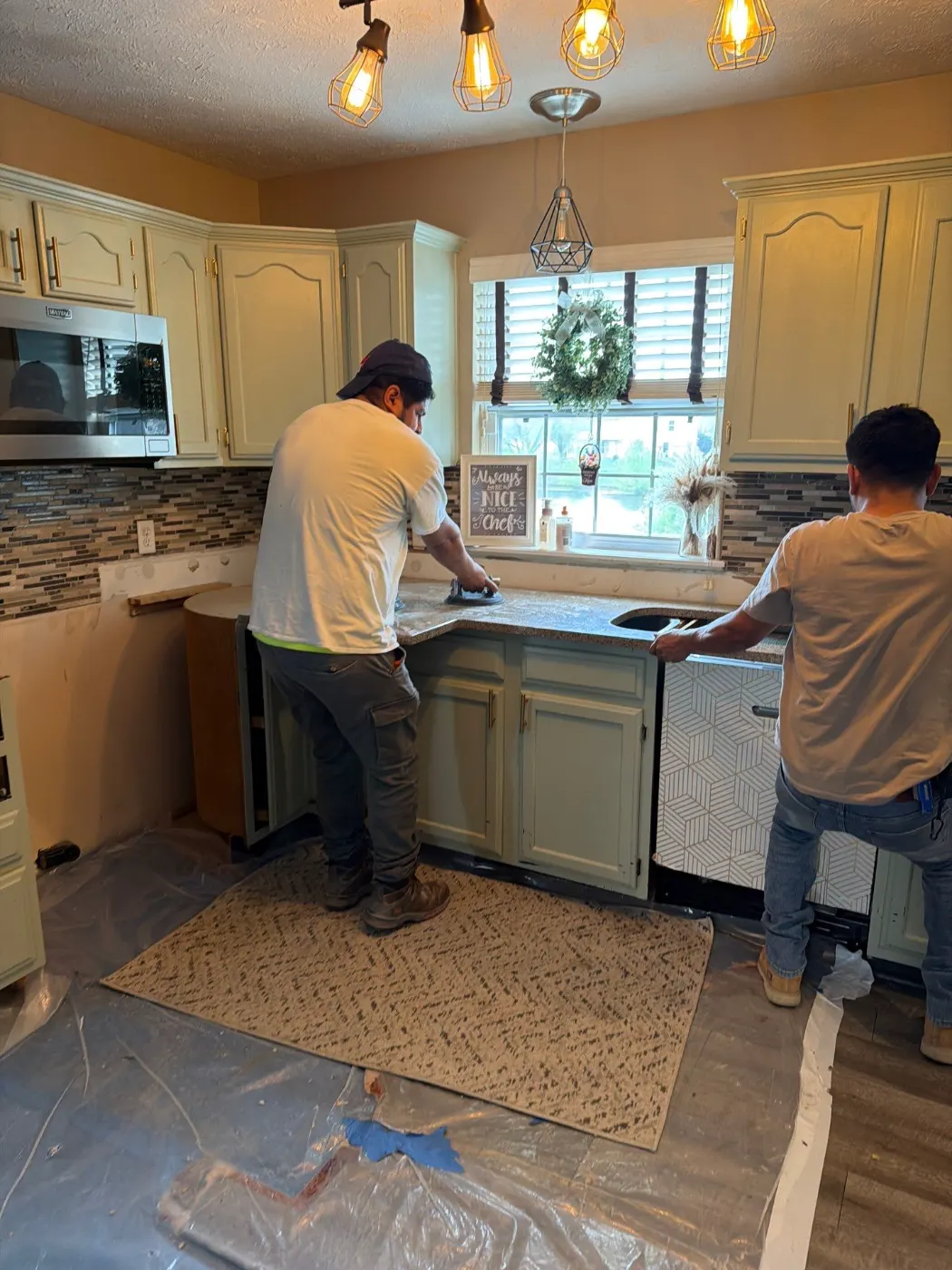
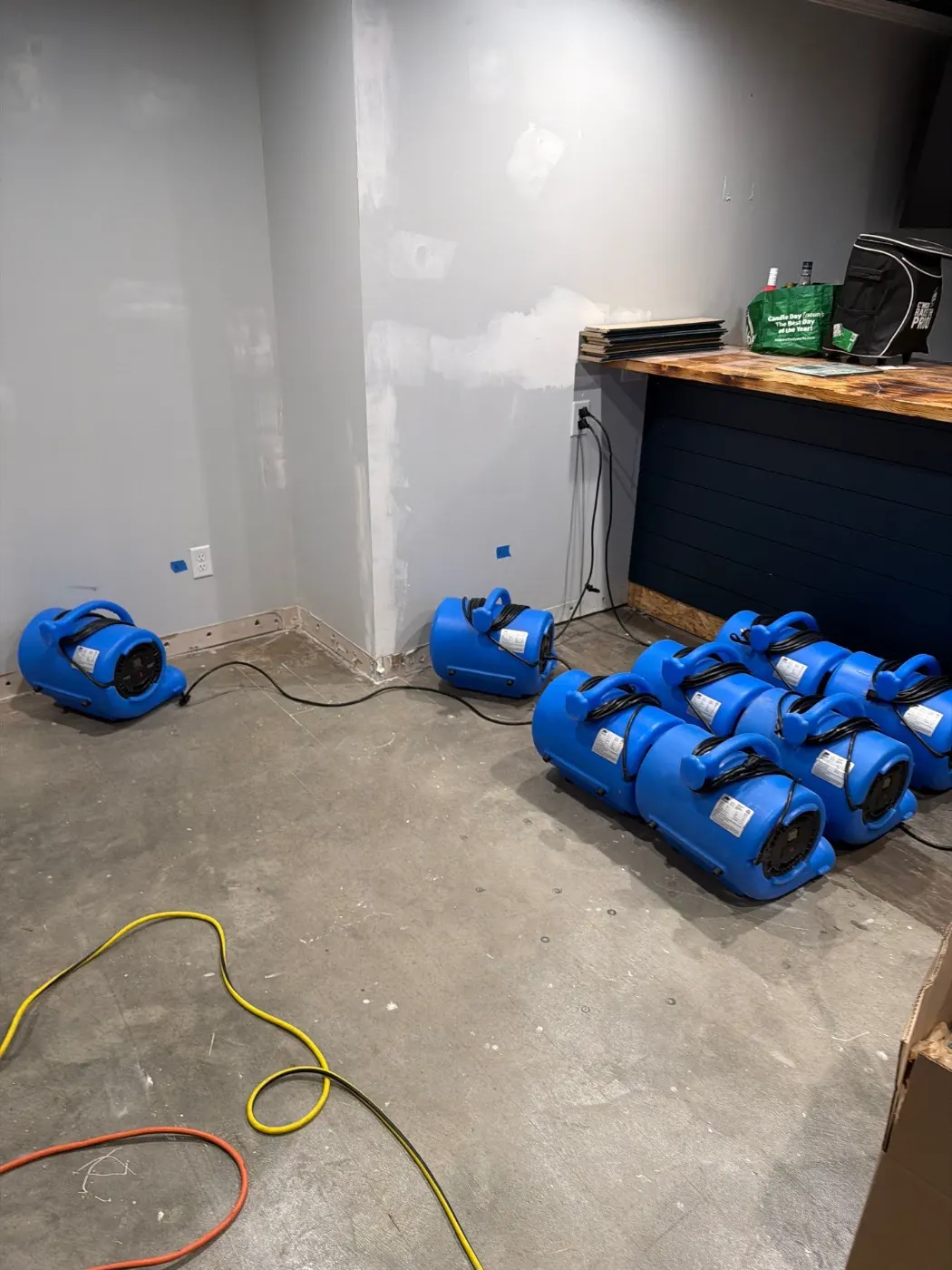
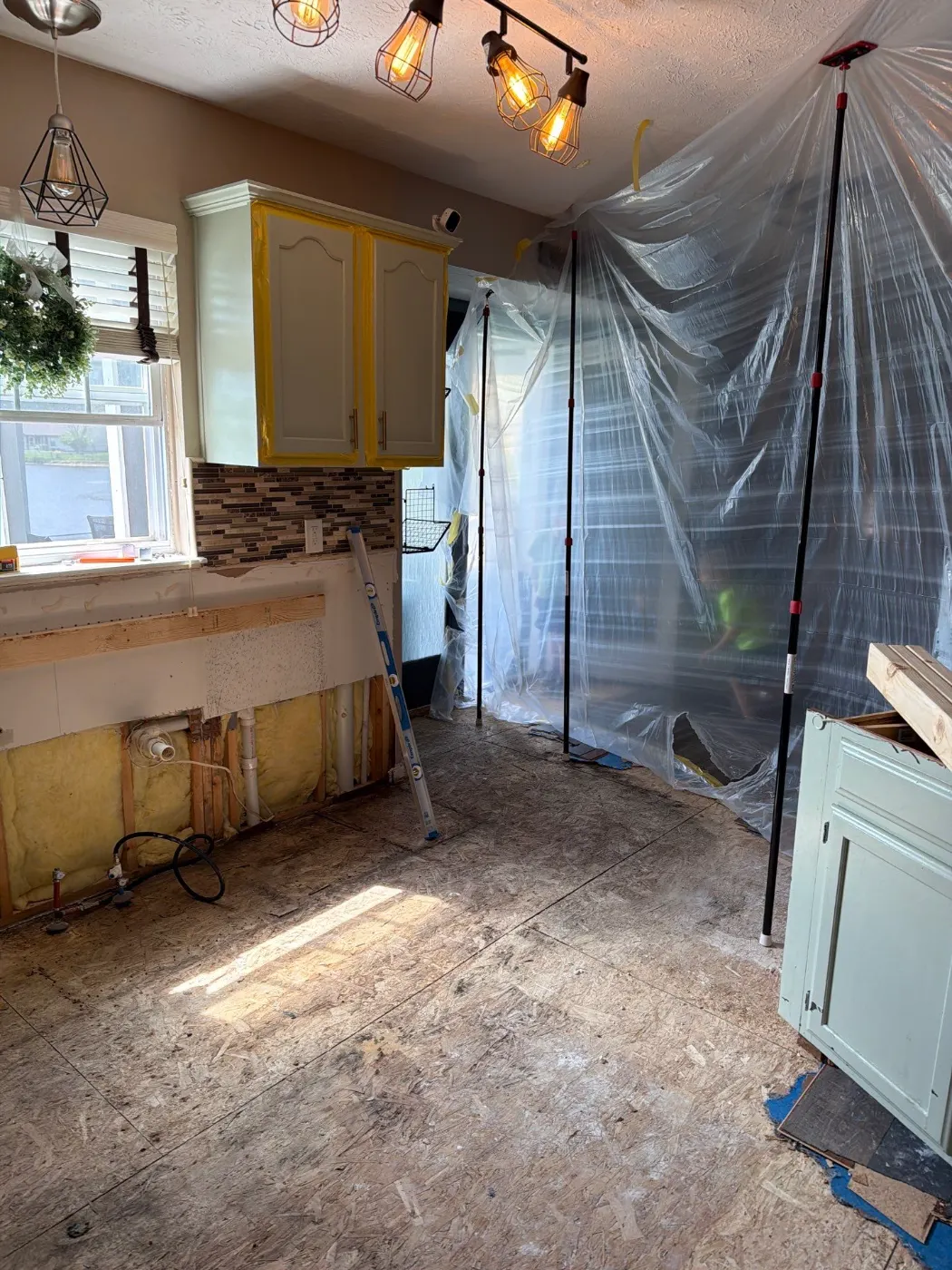
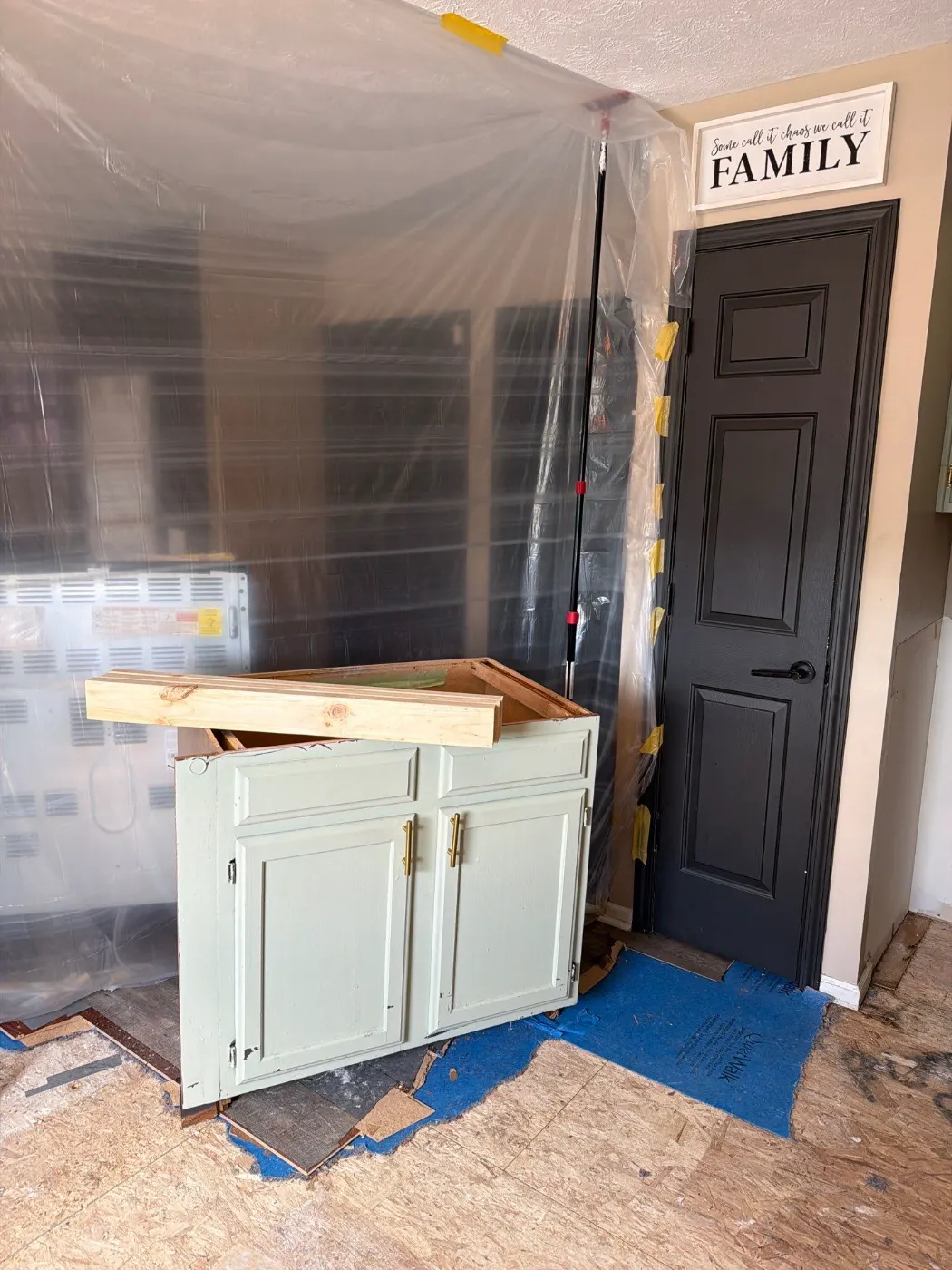
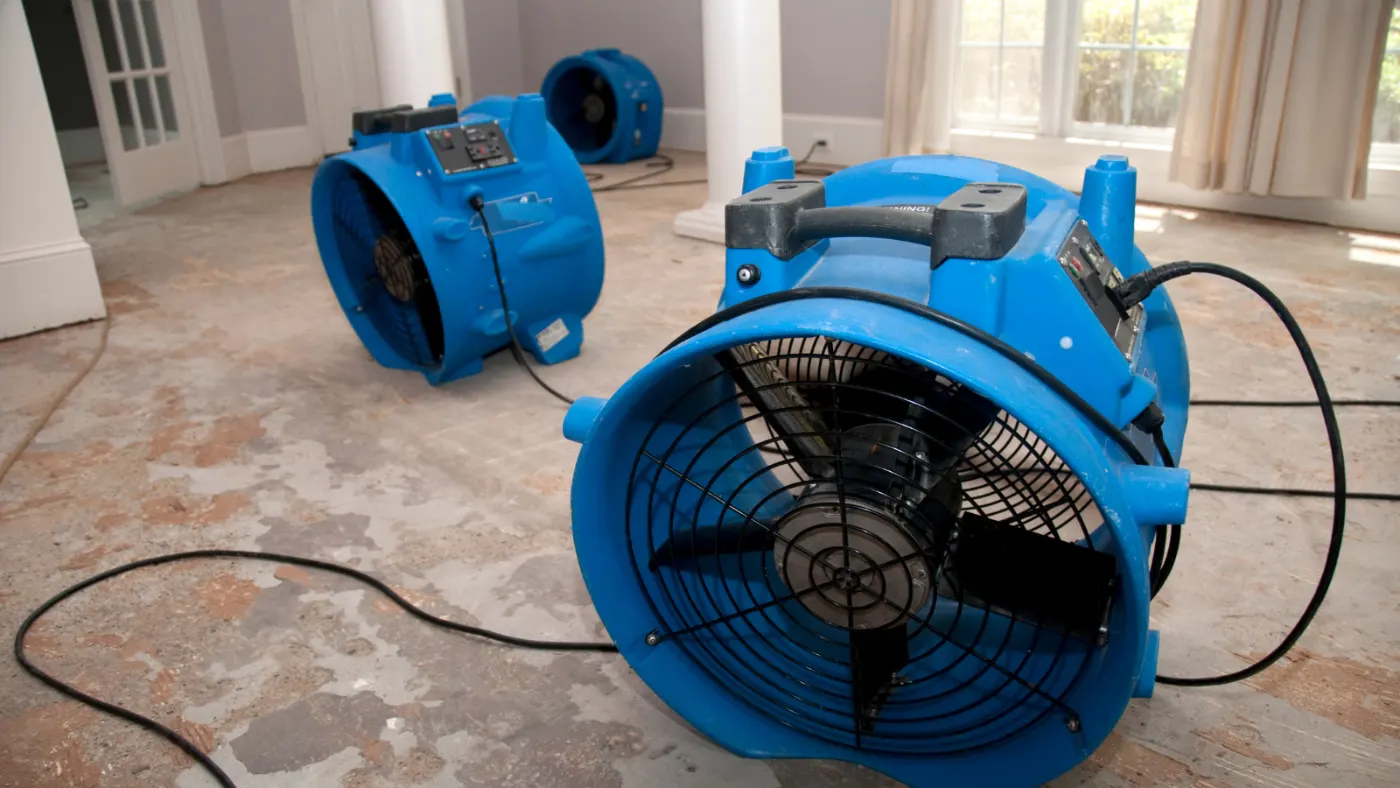
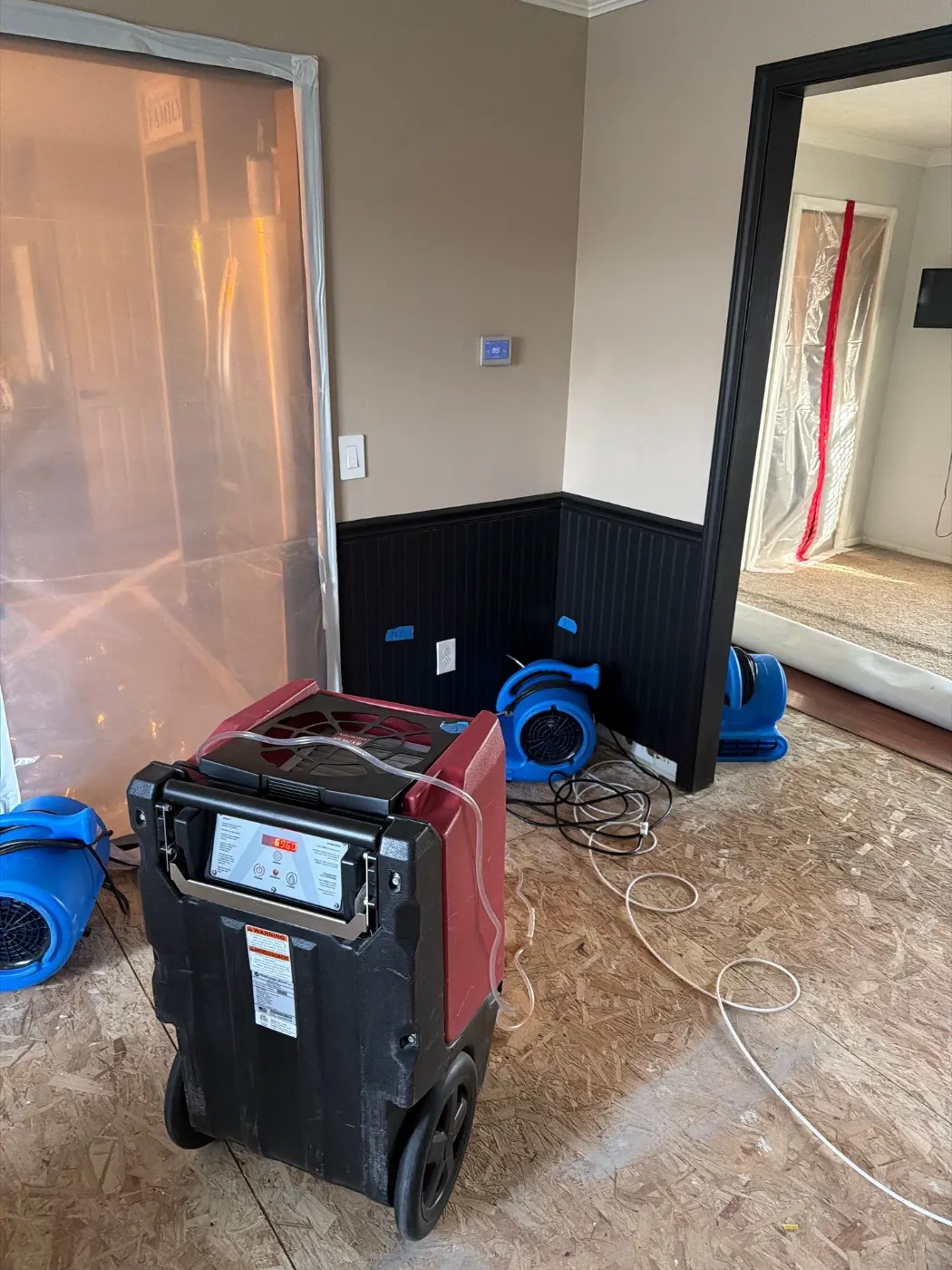
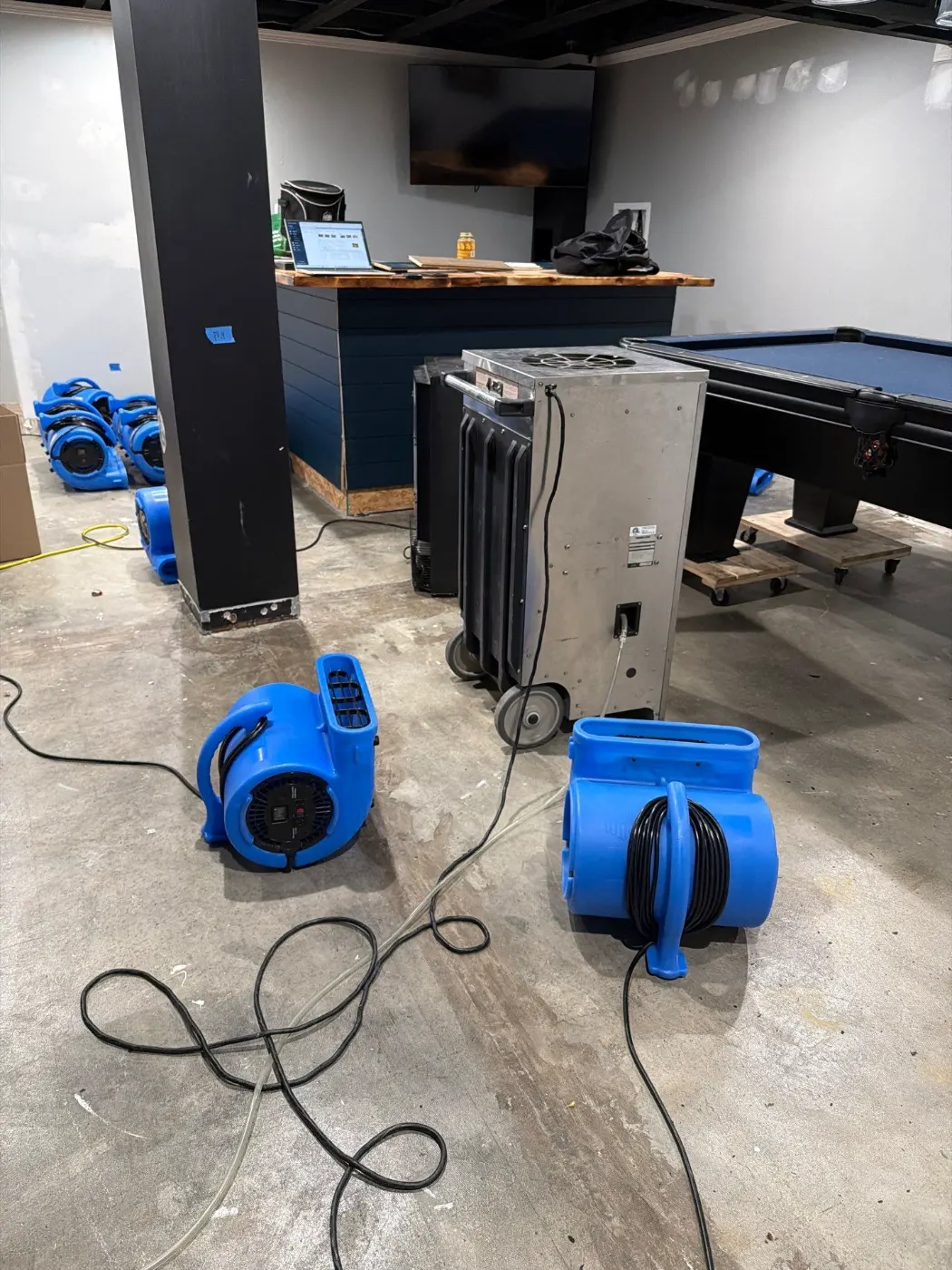
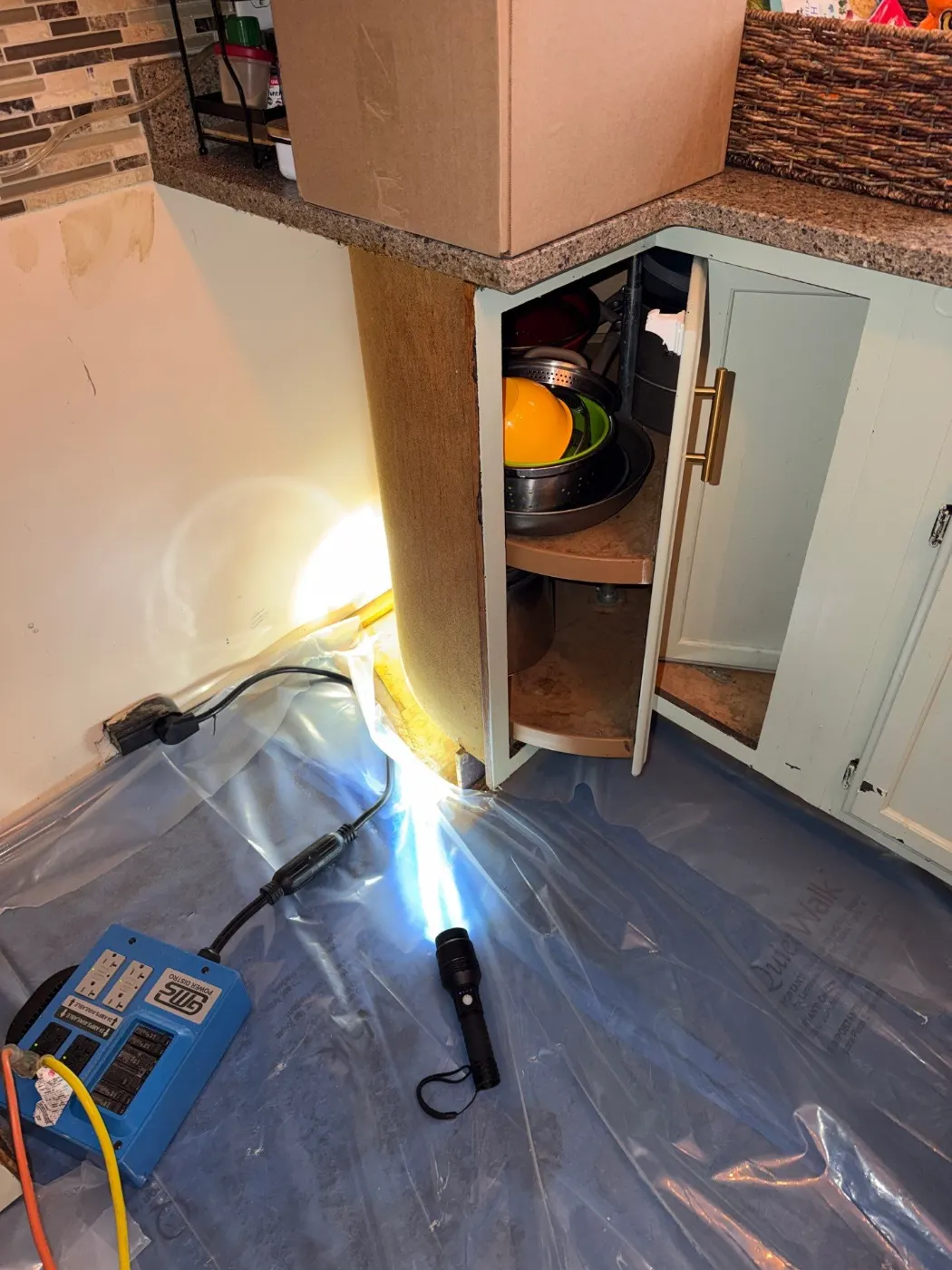
Real water damage restoration jobs completed across Lapel and Madison County, from basement floods and burst pipes to post storm extraction and full reconstruction back to pre loss condition.
How We Get Your Lapel Home Dry
The first phase on any Lapel water damage call is moisture assessment and Category determination. A certified technician walks the home with thermal imaging and penetrating meters, identifies the source whether that is a broken supply line, an appliance failure, a sewage backup, or storm intrusion through a damaged exterior, and classifies the water as Category 1, Category 2, or Category 3 per the IICRC S500 standard. Scope of damage is mapped before any drying equipment is placed, and you get a clear explanation of what we found. This phase typically takes one to two hours depending on home size.
Phase two is insurance coordination and documentation. We photograph and video every affected area before mitigation begins, log meter readings into a written moisture map, and contact your insurance adjuster directly to walk through the scope of work and confirm coverage alignment. Mitigation justification is documented per industry standard so the carrier sees exactly why each action is necessary. Most Lapel homeowners never have to handle this paperwork themselves, we work with your insurance carrier and keep you informed at each step rather than asking you to translate between us and the adjuster.
Phase three is drying execution and controlled reconstruction. Air movers and dehumidifiers are placed according to structural drying calculations sized to the affected square footage, with daily monitoring and logged readings until materials hit the dry standard matched to unaffected baseline. Controlled demolition removes only what cannot be saved, then reconstruction begins: drywall hung and finished, insulation replaced, flooring installed, trim and paint completed. The goal is a Lapel home returned to pre loss condition, not a dried out shell waiting on someone else to finish the job.
Rapid Emergency Dispatch
Call our 24 7 emergency line and a crew is dispatched with extraction equipment, dehumidifiers, air movers, and moisture meters already on the truck. A certified technician leads the response, so triage and Category determination start the moment we arrive at your Lapel home.
Category Determination
Every job is classified Cat 1, Cat 2, or Cat 3 per IICRC S500 protocol. Meter readings are logged, the source is identified, and a written assessment documents the scope before any equipment is placed. That classification drives every decision that follows, from PPE to containment to disposal.
Insurance Coordination
We work with your insurance carrier directly, providing photos, moisture maps, and mitigation justification the adjuster needs. Scope is matched to coverage and documented to industry standard. transparent invoicing, and no asking you to play middleman between the restoration crew and the claims desk.
Verified Drying Standard
Air movers and dehumidifiers run until moisture content in affected materials matches unaffected baseline readings. Daily monitoring with logged meter readings confirms progress, and reconstruction does not begin until structural drying is verified. That is how you avoid mold problems thirty days after the visible damage is gone.
The Most Frequent Lapel Water Emergencies
HVAC Condensate Line and Pan
An air conditioner pulls a real volume of water out of the air on a humid afternoon, and all of it is supposed to leave through the condensate line. Block that line with algae and the pan overflows, and an attic air handler puts it straight into the ceiling below.
Slab Leak Under the Floor
Water under a slab has to surface somewhere, and it comes up at the perimeter, at expansion joints, and through flooring adhesive. Carpet at the wall goes damp, wood cups, and the base of the drywall wicks it up from below.
Sewer Line Backups
Clay sewer mains in older Lapel neighborhoods crack over time, allowing roots to enter and eventually causing backups. Heavy rains worsen the problem by overwhelming compromised lines.
Foundation and Groundwater Intrusion
Heavy rain over saturated ground forces water against foundations harder than most homeowners realize. Older Lapel foundations weren’t designed for the rainfall intensities this region now sees.
Dishwasher Leak Under the Cabinet
Kitchen leaks travel along the underside of the cabinet run and drop through the first opening they find. In a Lapel home over a finished basement, the first sign is a stain on the ceiling below, a room away from the appliance that caused it.
Sump Pump Failure
Lapel’s spring rains overwhelm sump pumps that haven’t been tested. We see this constantly: storm hits, pump fails, basement floods. Testing your sump pump twice a year prevents most of these emergencies.
Three Simple Steps
From emergency call to job complete, we follow a disciplined IICRC-certified process on every Lapel water restoration project.
Emergency Response
Emergency calls skip the queue, and a crew is dispatched within 2 hours. Nothing gets ordered after arrival, because the gear is already there. Fast response is the whole reason the line stays staffed.
The Moisture Map
Insulation gets pulled where readings are suspect. The scope you sign is the scope we bill. The documentation is yours to keep, claim or no claim.
The Dry Out
The meters decide the finish date, which in Lapel is usually 3 to 5 days. Water out, air movers in, materials dried, structure restored. The last day is measured, not estimated.
Basement Stories from Lapel
4.9 stars across 2,006+ Google reviews.
"Old plumbing finally failed in a wall cavity. They diagnosed the source, extracted the water, and dried the structure before mold could take hold. Comprehensive response."
"Frozen pipe burst in our wall during a cold snap. They were on-site within 90 minutes, did the extraction, dried everything, and the insurance paperwork was perfect. Couldn’t recommend more."
"Dishwasher hose split while we were at work. Came home to water across the kitchen and into the living room. They got there fast, extracted everything, and dried the structure in 4 days."
Indiana Weather Drives Restoration Calls Year Round
Indiana weather drives most water damage calls we run in Lapel: spring saturation pushing groundwater through foundation walls, winter cold snaps freezing and bursting supply lines in older in town plumbing, and severe summer thunderstorms that send wind driven rain through compromised exterior assemblies. Each season has its own failure mode, and the response has to match.
Spring Saturation Flooding
Madison County's clay heavy soil holds water long after the rain stops, and Stony Creek north of town plus the Mud Creek headwaters inside Lapel raise the water table fast during spring storms. That hydrostatic pressure pushes groundwater through foundation walls and floor cracks into basements. When we are called in, extraction starts immediately and dehumidifiers pull the moisture trapped in concrete and framing.
Winter Pipe Bursts
Indiana cold snaps freeze supply lines in exterior walls, unheated basements, and vacant homes, and the first thaw is when the burst floods the structure. Older Lapel homes with galvanized or early copper plumbing are particularly vulnerable. We respond with rapid extraction, controlled drying of saturated wall cavities, and reconstruction of the affected drywall, insulation, and flooring.
Severe Thunderstorm Intrusion
Central Indiana sees recurring severe thunderstorm seasons, and the high wind events documented in the Lapel area have driven rain horizontally into wall assemblies, window flashings, and damaged exterior envelopes. Water then tracks behind finishes and surfaces days later. We perform thermal imaging to find the hidden saturation and dry it before mold takes hold.
Sump Pump Failure During Outages
Newer Lapel subdivisions depend on sump pumps to keep basements dry, and when storm driven power outages knock the pump offline during heavy rain, the basement floods in hours. We dispatch extraction equipment and commercial dehumidifiers to pull standing water and dry the slab, framing, and any finished basement materials before the contamination spreads.
Water Restoration by Lapel Neighborhood
Restoration projects completed across Lapel's established and custom-home communities. Click any neighborhood for the specifics we have learned working there.
Where we respond near Lapel
Indiana-licensed crews dispatched 24/7 to Lapel and the closest surrounding communities.
Water damage pricing in Lapel
Mitigation ranges calibrated to the Lapel market. Final pricing depends on water volume, materials affected, and IICRC Category.
Expert Answers to Your Water Damage Questions
Straight answers to the questions Lapel homeowners ask most.
Expert Lapel Restoration Crews Available Now
If water is spreading right now, if you suspect hidden moisture behind a wall, or if your Lapel basement is flooding after the latest storm, our crews are on standby for fast emergency dispatch. The on site inspection is free with no obligation, and we work with your insurance carrier so the claim does not become a second emergency.