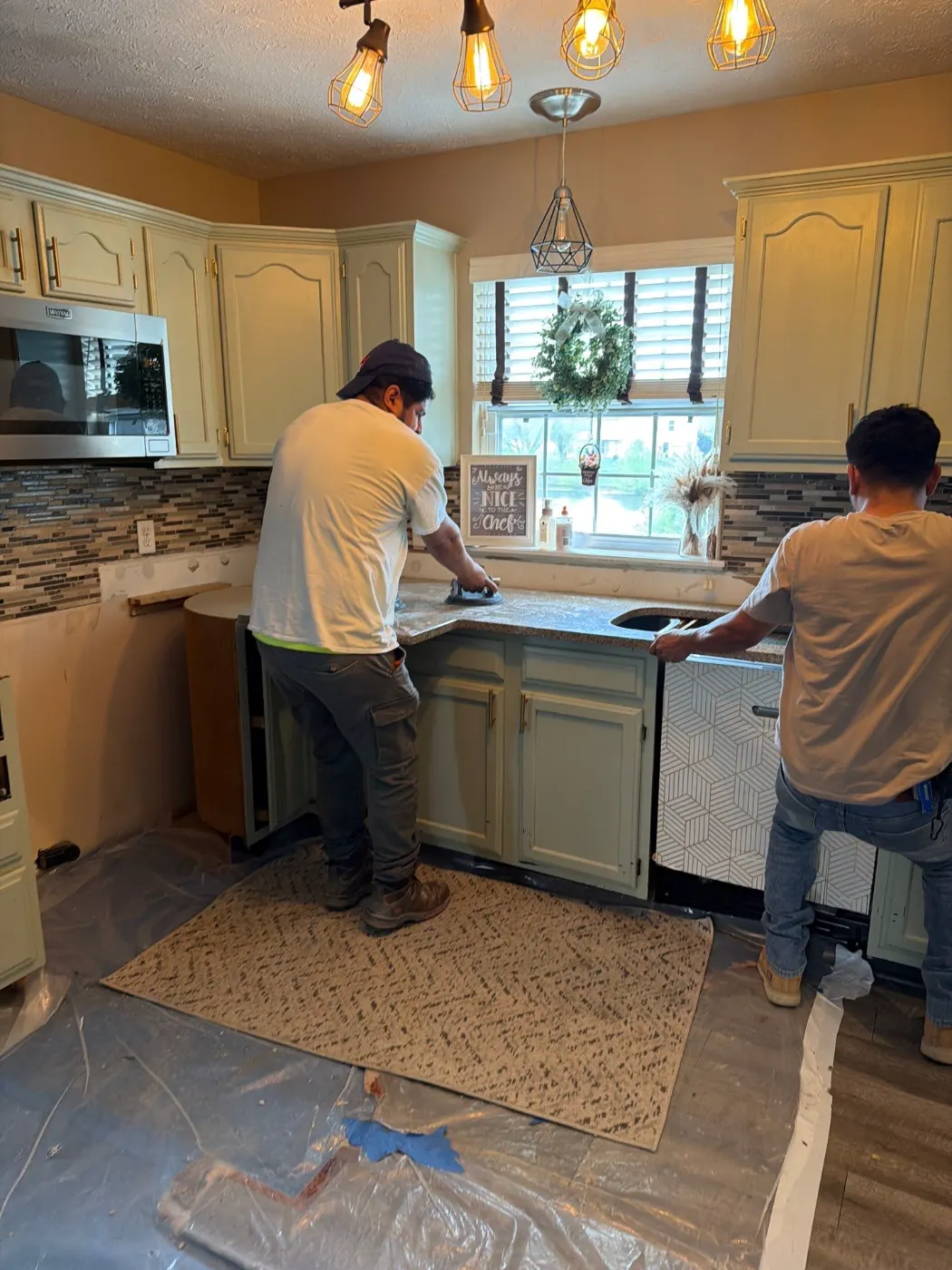
Commercial Storm Damage in Lapel, IN
Commercial water restoration in Lapel done to the IICRC S500, with desiccant drying and per suite documentation.
Lapel Water Restoration handles Commercial Storm Damage for Lapel, IN homeowners: emergency dispatch around the clock, IICRC certified technicians, and insurance coordination on approved claims. Call (765) 508-0821.
- Service: Commercial Storm Damage for Lapel homeowners
- Service area: Lapel, IN and surrounding areas
- Response time: Same day emergency response for Lapel; 24/7 availability
- Licensed and insured (License #RC21100059)
- Serving Lapel, IN since 2018
Commercial Storm Damage Cleanup in Lapel
We'll secure and dry commercial buildings in Lapel after a storm opens the roof or floods a lower level.
Storms Here
Spring and summer are severe thunderstorm season here. NWS Indianapolis posts summaries of past storms, which helps when your carrier asks for a date.
We respond to storm calls from businesses anywhere in Lapel, including those around the Indiana State Road 13 corridor and Indiana State Road 32. We also handle commercial storm damage in Frankton, Ingalls, Pendleton and Anderson.
Commercial Storm Damage for Lapel Businesses
Nobody's in the building at two in the morning when the roof opens up, so the loss gets found at opening by whoever arrives first. Twelve hours of unchecked water puts moisture into the roof insulation and everything the ceiling grid was holding. Lapel Water Restoration answers after hours commercial calls in Lapel and Madison County with a two hour dispatch, so the first readings get taken before the day's decisions pile up.
Storm water in a commercial building usually comes through the roof, so Lapel Water Restoration reads the roof assembly and every floor under the breach. Readings come off the insulation, the deck and the gypsum, then down the column lines and partitions where the water tracked. Every reading gets keyed to a floor plan of your Lapel building, so the scope covers what the water reached.
When a roof drain backs up inside your Lapel building, the crew treats the point where the water came out as the center of the job. Sediment and debris get cleaned off the floor and the walls around it before drying begins, and the chase or ceiling space the leader runs through is opened and checked. The building engineer or a plumber clears the drain line itself.
If your policy carries business interruption or extra expense coverage, the drying schedule becomes part of that calculation. Lapel Water Restoration logs which areas were unusable and for how long, with dates and photos, so your accountant and your broker have something to work from. The claim belongs to you and your carrier. The team supplies the facts the file needs and answers questions in writing.
If the ceiling's holding water in your Lapel building, keep people out from under it and call Lapel Water Restoration for a two hour dispatch. The crew pulls the wet tile and insulation and photographs what the storm reached above the grid before the scope gets written.
Signs You Need Commercial Storm Damage Restoration
If you notice any of these in your Lapel building, schedule a free inspection before the issue worsens.
Ceiling tiles sagging, stained brown at the center, or crumbling along the grid in one area of a floor
Vinyl cove base curling or pulling away from the wall along an exterior wall
Rust streaks or white efflorescence running down an interior wall below a parapet line
Mechanical room floor drains that fill during heavy rain and empty slowly afterward
A supply diffuser dripping water or showing rust streaks after a storm
Paint blistering or wall covering bubbling on a wall that backs up to the exterior
Water beading on the inside of curtain wall mullions or collecting on the sill
A tenant reporting the same leak every heavy rain, in the same corner of the same suite
Raised access floor panels that feel damp, with water showing beneath them in a telecom room
Grout between floor tiles darkening in a pattern that spreads a little more each day
How Lapel Water Restoration Handles Commercial Storm Damage
We follow these steps in order on every Lapel job.
First Call Intake
On the call, the team gathers where the water is entering, which areas are occupied, who holds keys and alarm codes, and who can authorize work, so the crew shows up at your Lapel property with the right equipment and the access it needs.
Two Hour Dispatch
A crew dispatches to your Lapel commercial property within two hours of the call with extraction units, dry in materials, thermal imaging and moisture meters. Work starts on arrival while the team confirms building access, after hours contacts, and which spaces have to stay open.
Contents and Inventory Protection
Stock and equipment on wet floors get lifted onto blocking or moved to dry ground, with plastic over anything that has to stay. A photo list records what moved and where, which supports each tenant's own claim.
Water Category Call
Rain that started clean can worsen in category as it sits, so the crew classifies the water as it entered and again as it has aged. That call sets which materials get cleaned in place and which come out.
Cavity Inspection Openings
Where meters or thermal imaging point to hidden water, the crew opens a small inspection hole or lifts a tile. What the probe finds inside decides how much larger the cut needs to be.
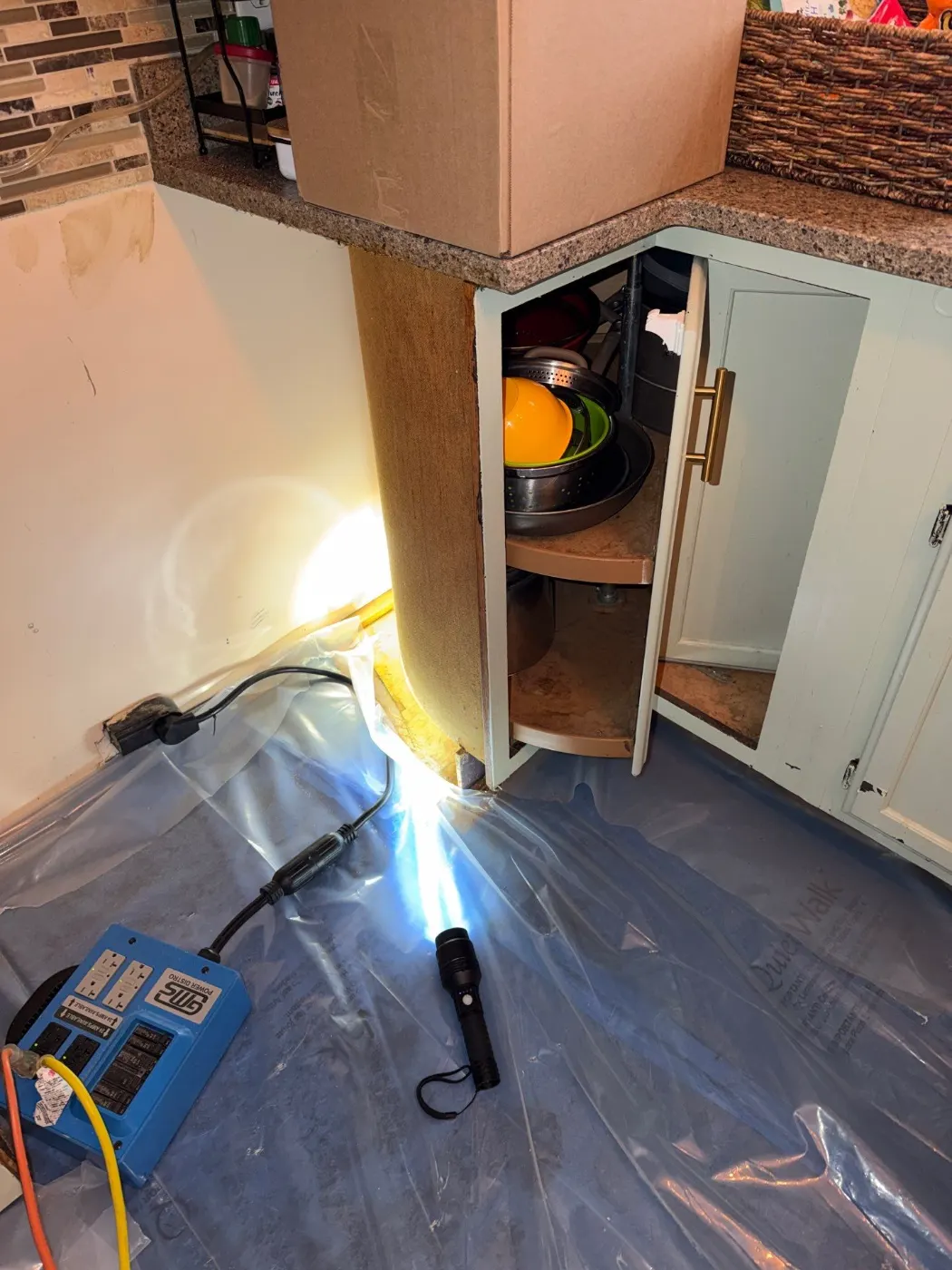
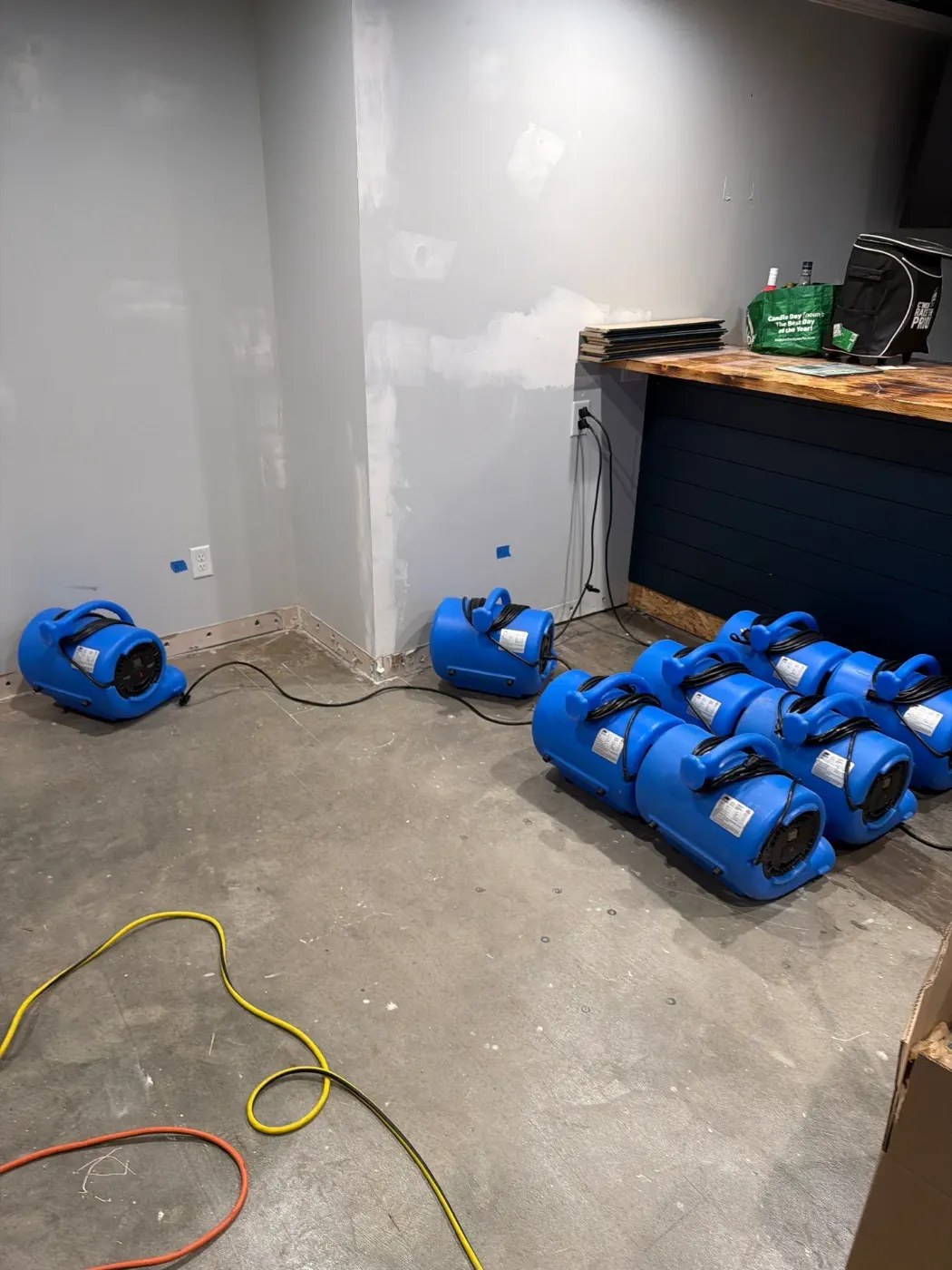
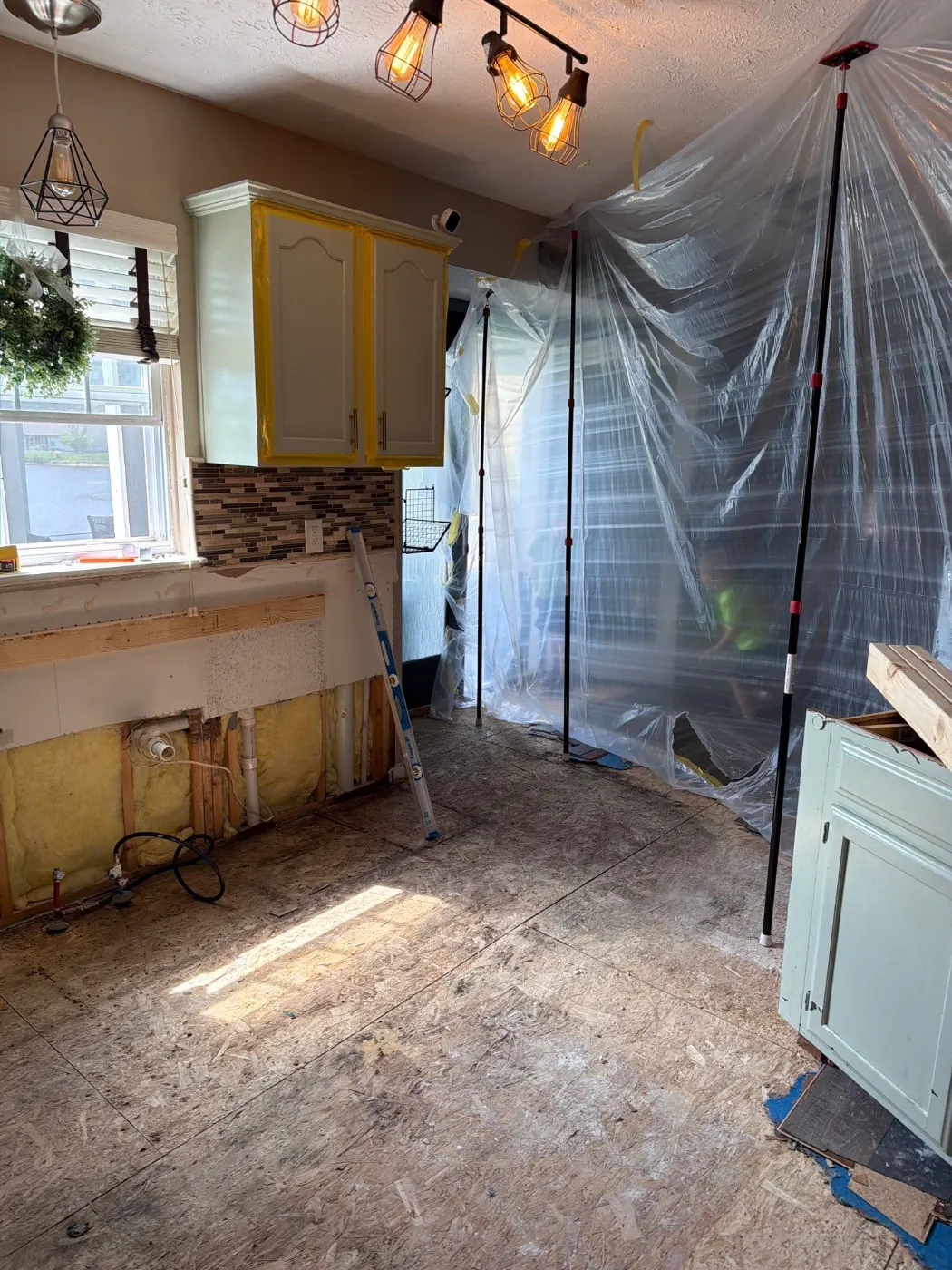
Commercial Storm Damage in Lapel
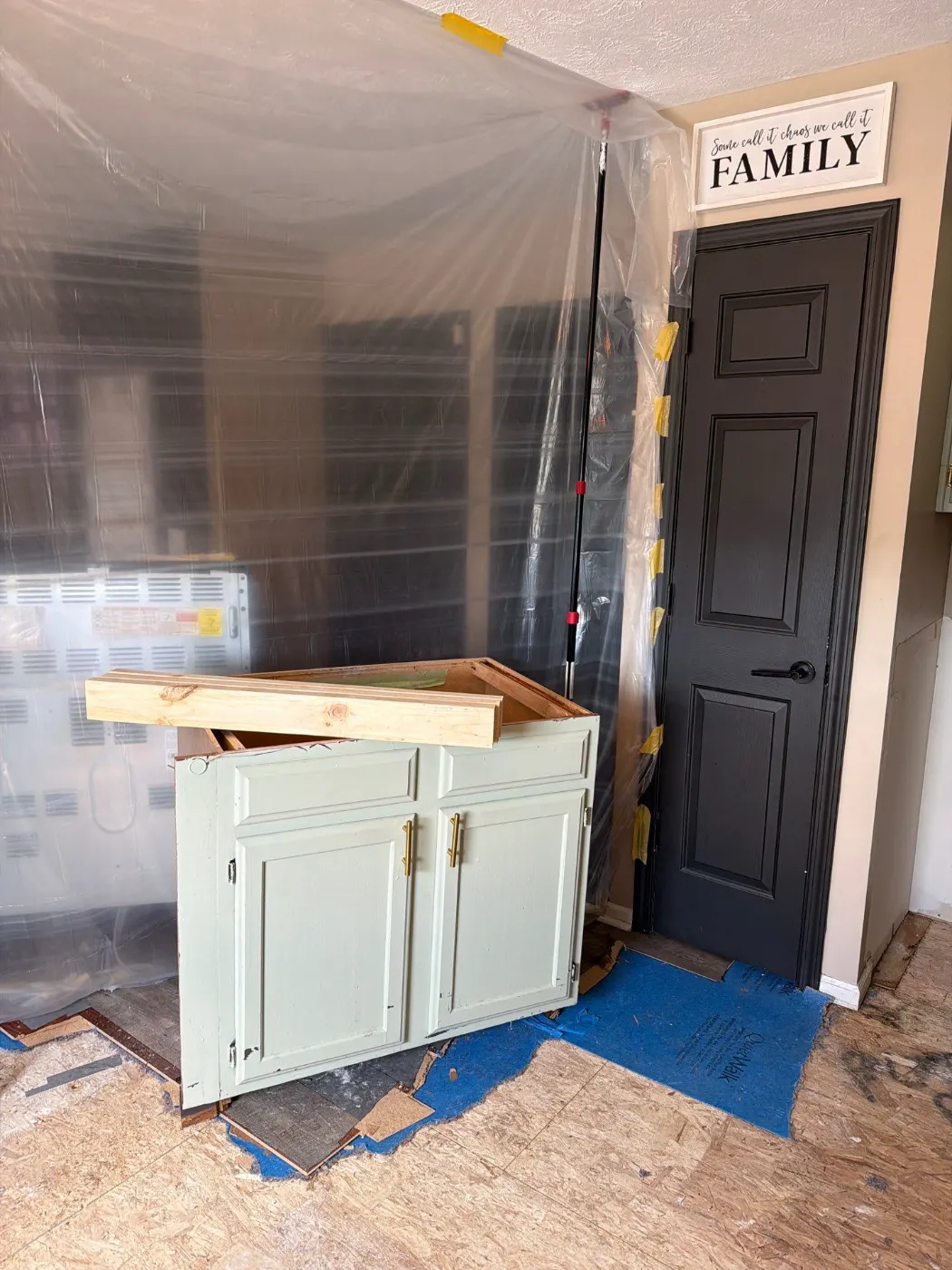
Photographs from real commercial storm damage jobs completed by our crew in Lapel and surrounding areas.
Commercial Storm Damage FAQ
Questions Lapel property managers ask us about commercial storm damage restoration.
Guidance and Standards for Commercial Storm Damage
- The National Weather Service office in Indianapolis posts summaries of recent central Indiana storm and flood events. NWS Indianapolis Event Summaries
- The ANSI/IICRC S500 is the published standard for professional water damage restoration. The current edition is the Fifth Edition, 2021. IICRC S500 Standard
Lapel Neighborhoods We Serve
We take commercial storm damage calls in every part of Lapel. Pick your neighborhood for local details.
Other Restoration Services in Lapel
Lapel Water Restoration handles the full scope of restoration work. Explore our other services below.
Water Damage Restoration in Lapel
24/7 emergency response. IICRC certified water restoration from extraction to full dry out.
Learn more →Basement Flooding in Lapel
Basement water emergencies handled fast. Extraction, drying, mold prevention.
Learn more →Sewage Cleanup in Lapel
Category 3 biohazard cleanup. Full containment, decontamination, structural restoration.
Learn more →Request Commercial Storm Damage Restoration
Reach Us Directly
Our team is available 24/7 for emergencies and ready to schedule inspections during business hours.
Need Immediate Help?
For active water or mold emergencies, call us directly. We are available 24/7.