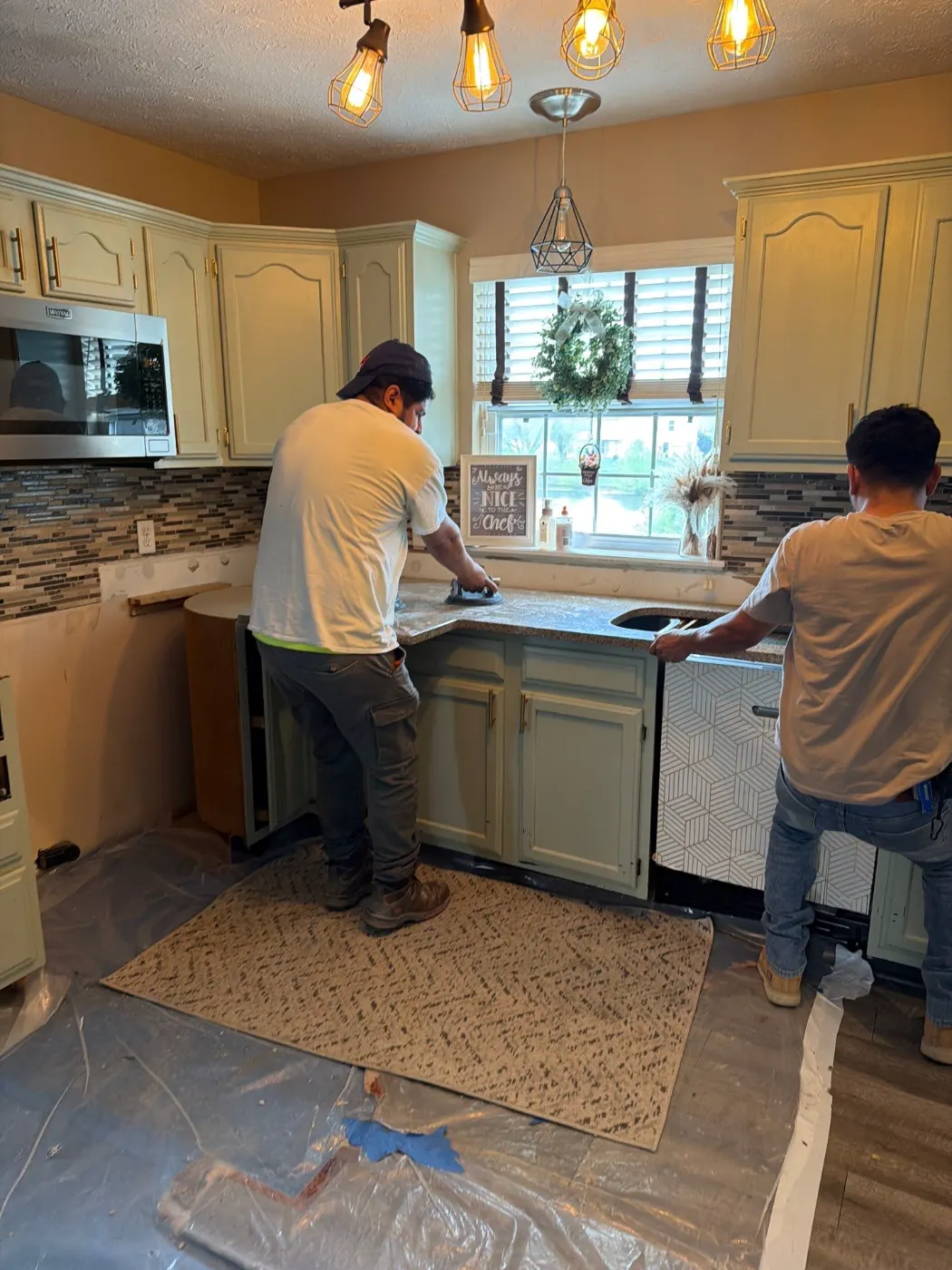
Commercial Flood Damage Cleanup in Lapel, IN
Whole floor plates dried to measured readings, with commercial flood cleanup in Lapel running from pumping through rebuild.
Lapel Water Restoration delivers Commercial Flood Damage Cleanup across Lapel and surrounding areas with certified crews available 24/7 and every step documented for insurance. Call (765) 508-0821.
- Service: Commercial Flood Damage Cleanup for Lapel homeowners
- Service area: Lapel, IN and surrounding areas
- Response time: Emergency calls from Lapel dispatched immediately, day or night
- Licensed and insured (License #RC21100059)
- Serving Lapel, IN since 2018
Commercial Flood Cleanup in Lapel
When floodwater reaches a commercial building in Lapel, we'll pump it out and dry the structure section by section.
Flood Exposure Here
Flood risk here runs highest for sites close to Stony Creek. A high water table and slow draining clay soil can hold floodwater against foundations and lower levels. Your building's own flood exposure gets mapped when we walk the site with your facilities contact.
Our flood crews work commercial sites throughout Lapel, including the blocks around Lapel Middle School and Lapel Senior High School. We also handle commercial flood cleanup in Fishersburg, Frankton, Ingalls and Pendleton.
Commercial Flood Damage Cleanup for Lapel Businesses
A fire sprinkler head let go overnight on an upper floor and the water went down through everything under it. By morning there's wet ceiling grid on two levels, saturated carpet tile across an open office, standing water in the main lobby, and tenants in the hallway asking what happens next. Lapel Water Restoration answers commercial flood calls in Lapel with pumping capacity, moisture mapping across the full floor plate, and a documentation file built for a loss of this size from the first reading forward.
On a silted floor, the crew shovels and scrapes the heavy layer first, then wet vacuums and rinses the surface in repeated rounds until the rinse water runs clear. Floor drains and trench drains get flushed and checked for blockage along the way. Lapel Water Restoration records the areas cleared each day on commercial floods in Lapel.
Electrical safety gets settled before any equipment gets plugged in. The crew confirms that panels, outlets, disconnects, and machinery in or near the water have been deenergized by your electrician or the utility, then runs power for pumps and dehumidifiers from a source that's clear of the wet area, with generators where the building's power can't be used. Cords get routed off the floor and out of walkways so the space stays workable.
Where the water first appeared can change which coverage an adjuster considers. Water that came in under a door or across a threshold reads as surface flooding, while water that rose through floor drains may be looked at as sewer or drain backup. Lapel Water Restoration records the first point of entry for your Lapel property, which gives the adjuster a specific starting fact.
Carpet, cushion, drywall and insulation that sat in floodwater are headed for the dumpster, and the record of what left is easiest to build while it's happening. Call Lapel Water Restoration before demolition starts, and the crew photographs and logs each area of your Lapel property as the material comes out.
Signs You Need Commercial Flood Damage Cleanup
If you notice any of these in your Lapel building, schedule a free inspection before the issue worsens.
Part of the building without power after water reached the lower level
Retail storefront taking water under the front doors during a heavy rain
Standing water visible across more than one bay or section of a warehouse or retail floor
Sump pit overflowing, or a sump pump that quit during the storm
Stored files and inventory that sat in floodwater on the bottom shelf or floor
Dripping from the deck above into a drop ceiling, with wet insulation visible through the grid
Water pooling against the outside of an exterior door after the storm drain overflowed
An adjuster or lender asking for moisture readings and photographs of the flood damage
Beads of moisture under plastic sheeting or mats taped to a concrete floor for a day or two
Doors that stick or swell at the bottom edge after water reached the frames
How Lapel Water Restoration Handles Commercial Flood Damage Cleanup
We follow these steps in order on every Lapel job.
Details From the Call
The dispatcher collects the basics by phone, from the water source to the power status, and tells you what to leave alone until the crew arrives, such as wet electrical gear. A building contact is recorded so the crew can get into your Lapel property.
Waterline and Condition Photos
Before anything moves, the crew photographs the building as the water left it. Waterline marks get measured at several points in each room, with depths and heights logged beside the photos.
Content Pack Out
Fixtures, records, equipment and stock come off the wet slab and get listed by item and condition. Anything needing controlled conditions goes to climate controlled storage under a numbered list, so what left the building is documented before it moves anywhere.
Mud and Silt Removal
Mud goes into containers first, starting at the far end of the building and working toward the exit. Wet vacuums and a rinse pass follow, and floor drains get flushed and checked so water can drain freely.
Removing Soaked Materials
Porous materials soaked by floodwater, such as carpet and drywall, come out to the height the readings call for and get bagged where they fall. Each area is photographed before and after, and quantities go in the log.
Commercial Flood Damage Cleanup in Lapel
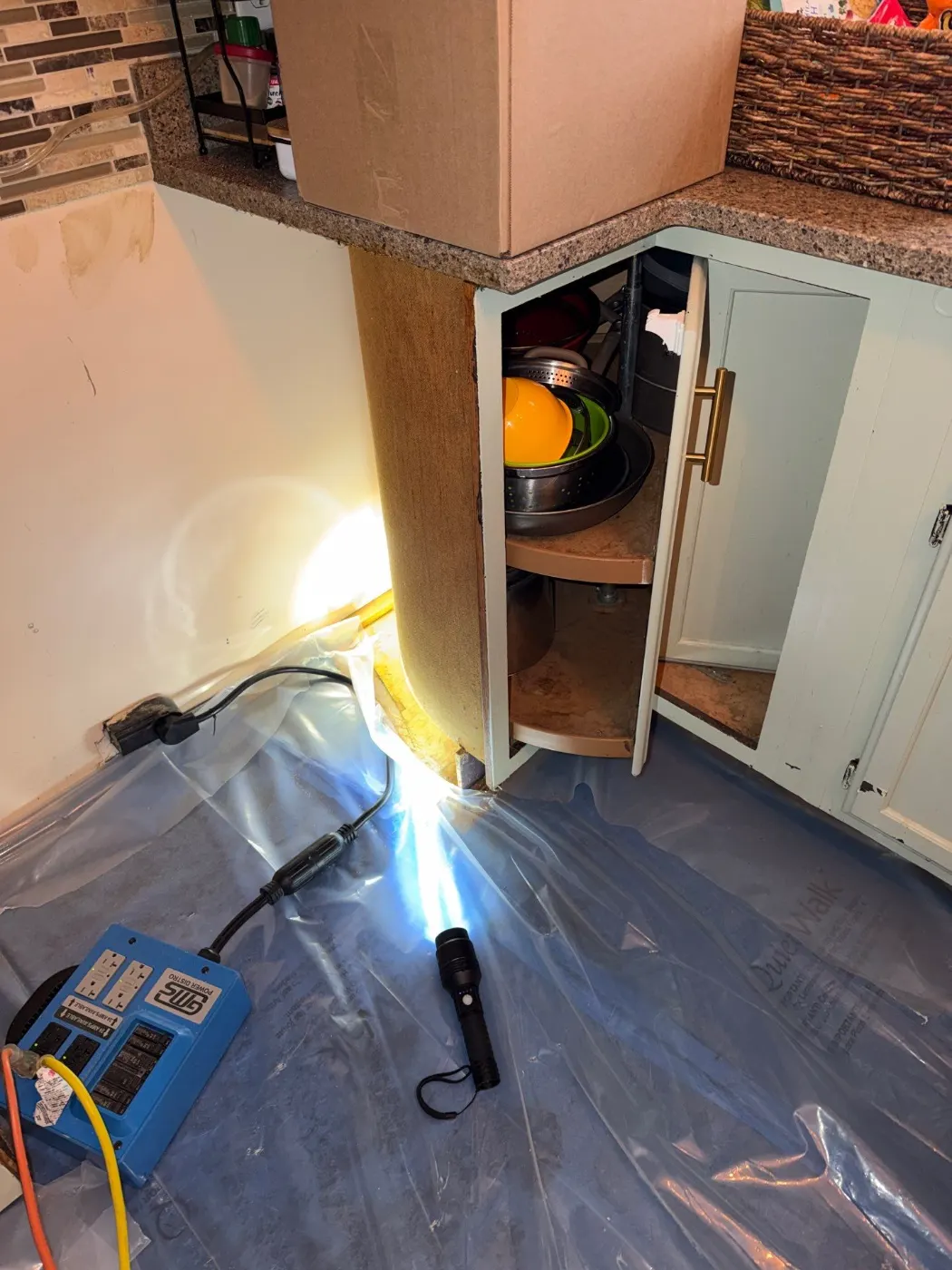
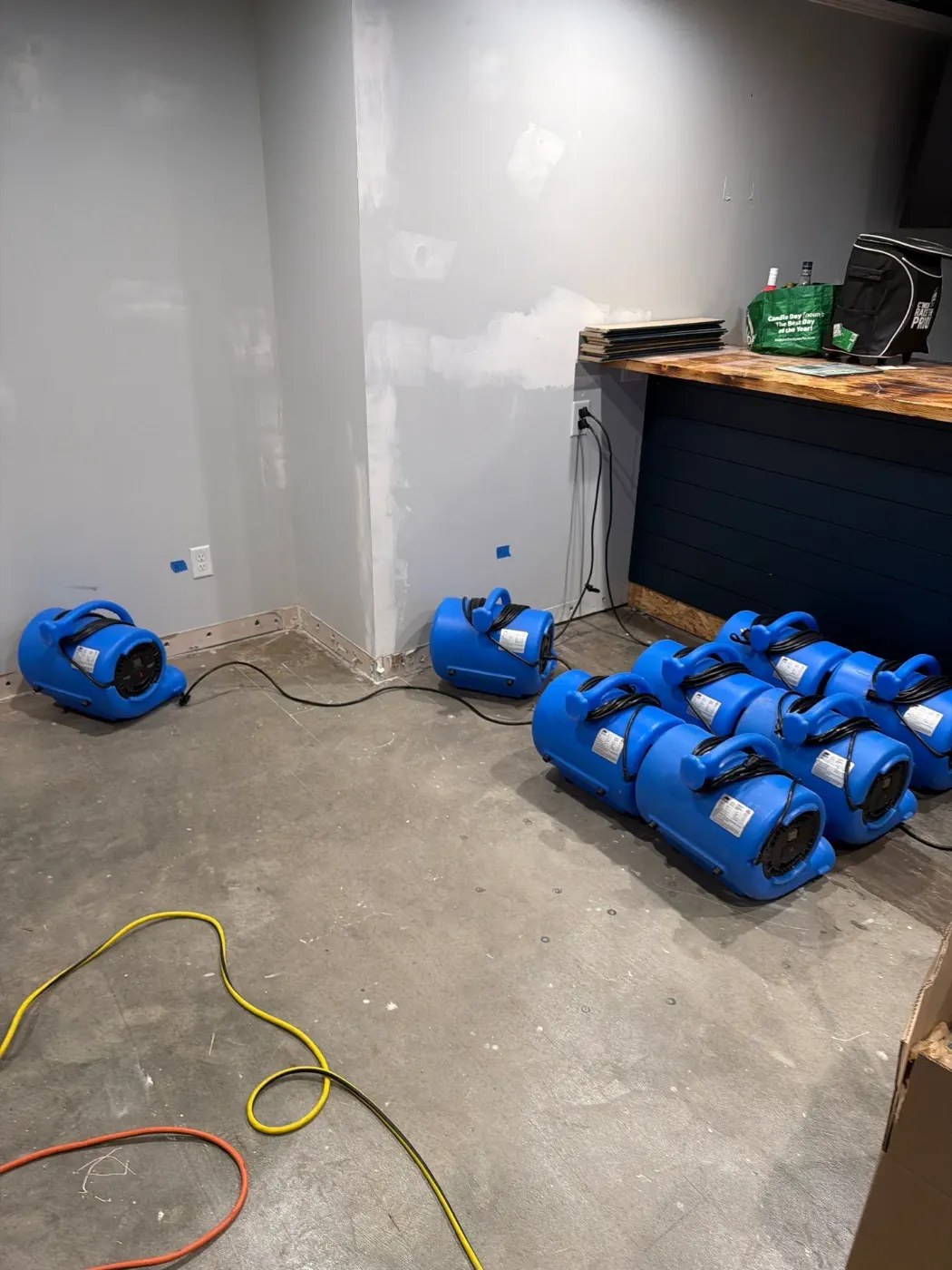
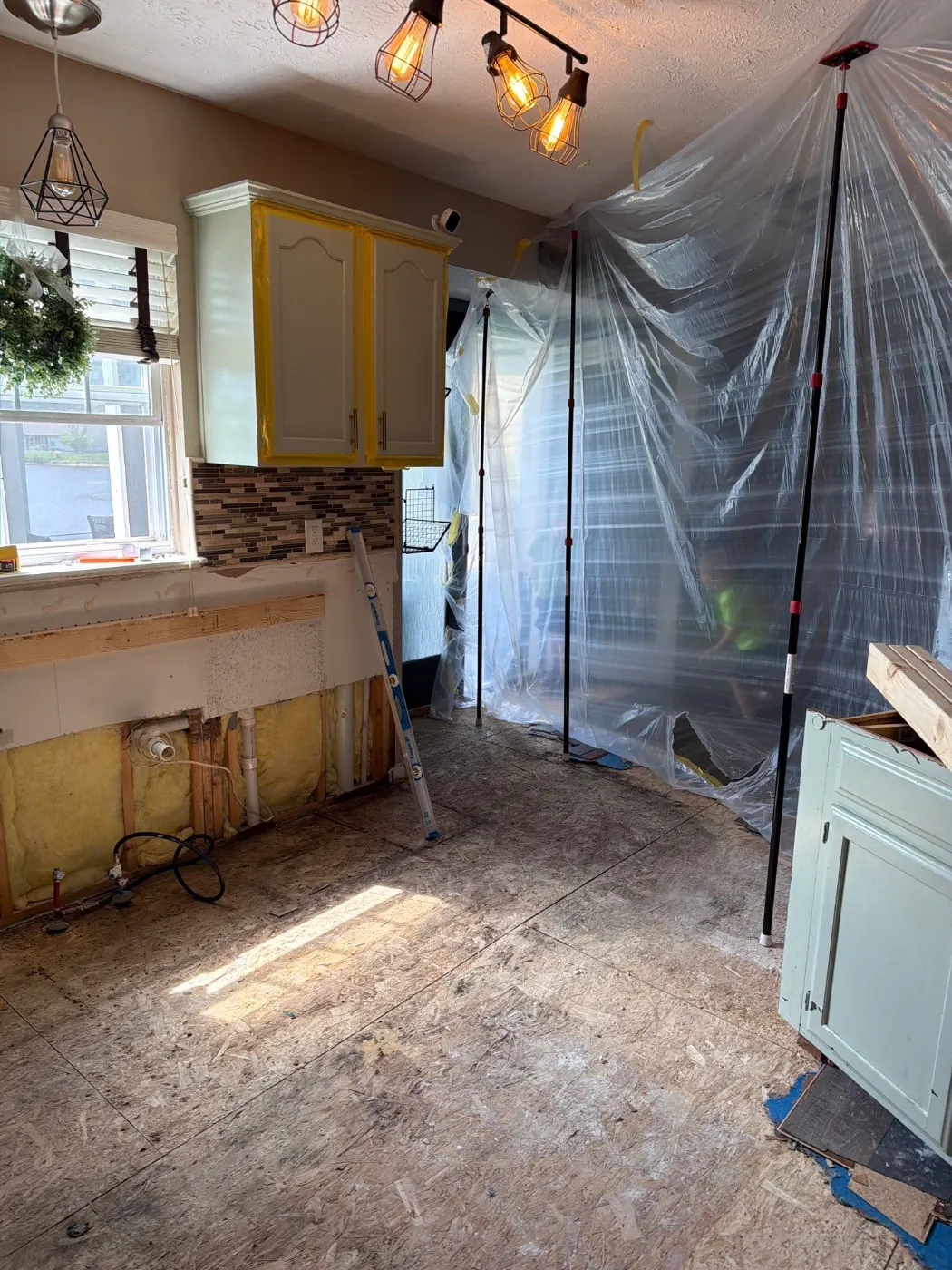
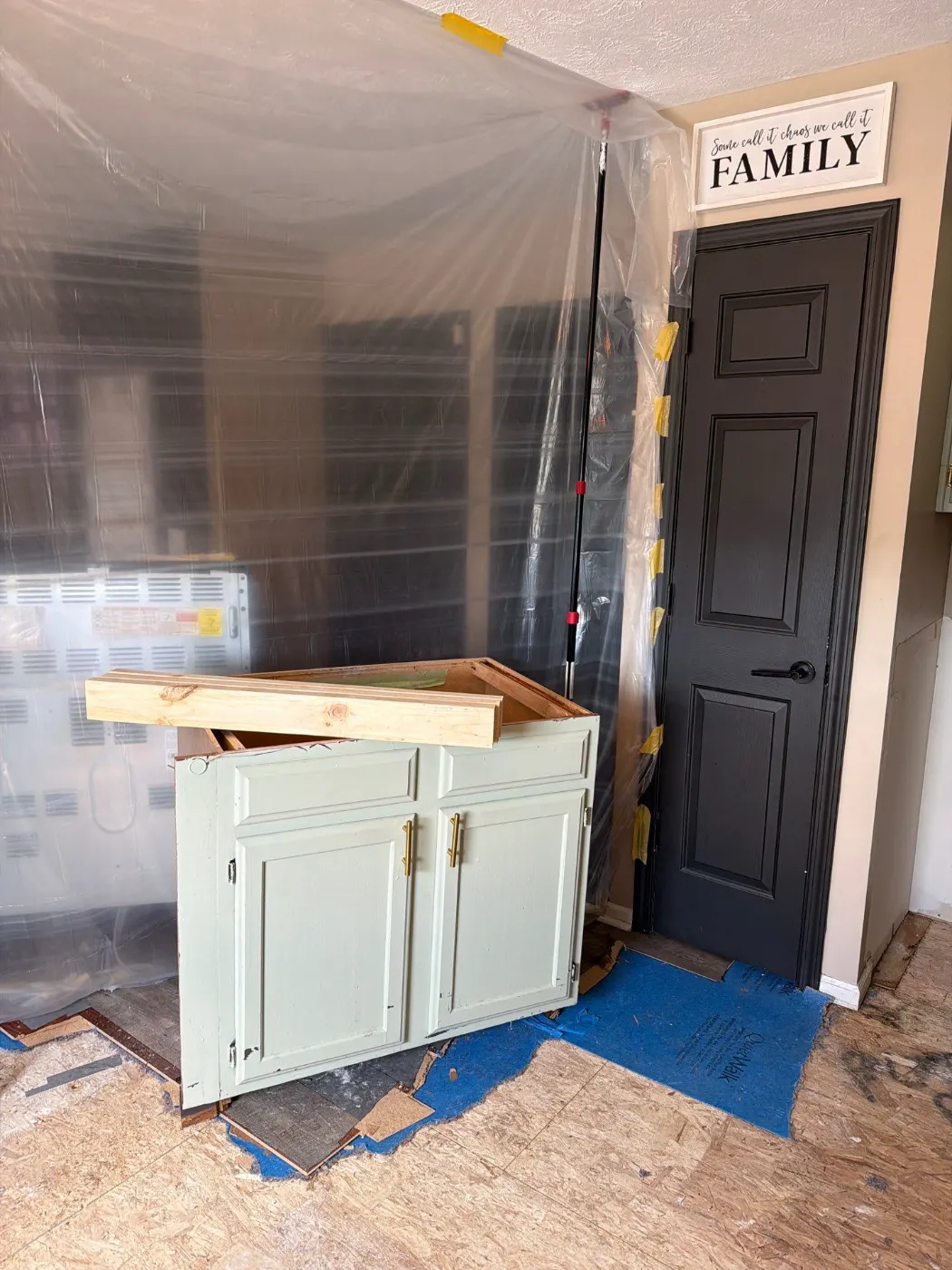
Photographs from real commercial flood damage cleanup jobs completed by our crew in Lapel and surrounding areas.
Commercial Flood Damage Cleanup FAQ
Questions Lapel property managers ask us about commercial flood damage cleanup.
Guidance and Standards for Commercial Flood Damage Cleanup
- The ANSI/IICRC S500 is the published standard for professional water damage restoration. The current edition is the Fifth Edition, 2021. IICRC S500 Standard
- EPA advises drying water damaged areas and items within 24 to 48 hours to prevent mold growth. EPA: A Brief Guide to Mold, Moisture and Your Home
Lapel Neighborhoods We Serve
We take commercial flood damage cleanup calls in every part of Lapel. Pick your neighborhood for local details.
Other Restoration Services in Lapel
Lapel Water Restoration handles the full scope of restoration work. Explore our other services below.
Water Damage Restoration in Lapel
24/7 emergency response. IICRC certified water restoration from extraction to full dry out.
Learn more →Basement Flooding in Lapel
Basement water emergencies handled fast. Extraction, drying, mold prevention.
Learn more →Sewage Cleanup in Lapel
Category 3 biohazard cleanup. Full containment, decontamination, structural restoration.
Learn more →Request Commercial Flood Damage Cleanup
Reach Us Directly
Our team is available 24/7 for emergencies and ready to schedule inspections during business hours.
Need Immediate Help?
For active water or mold emergencies, call us directly. We are available 24/7.