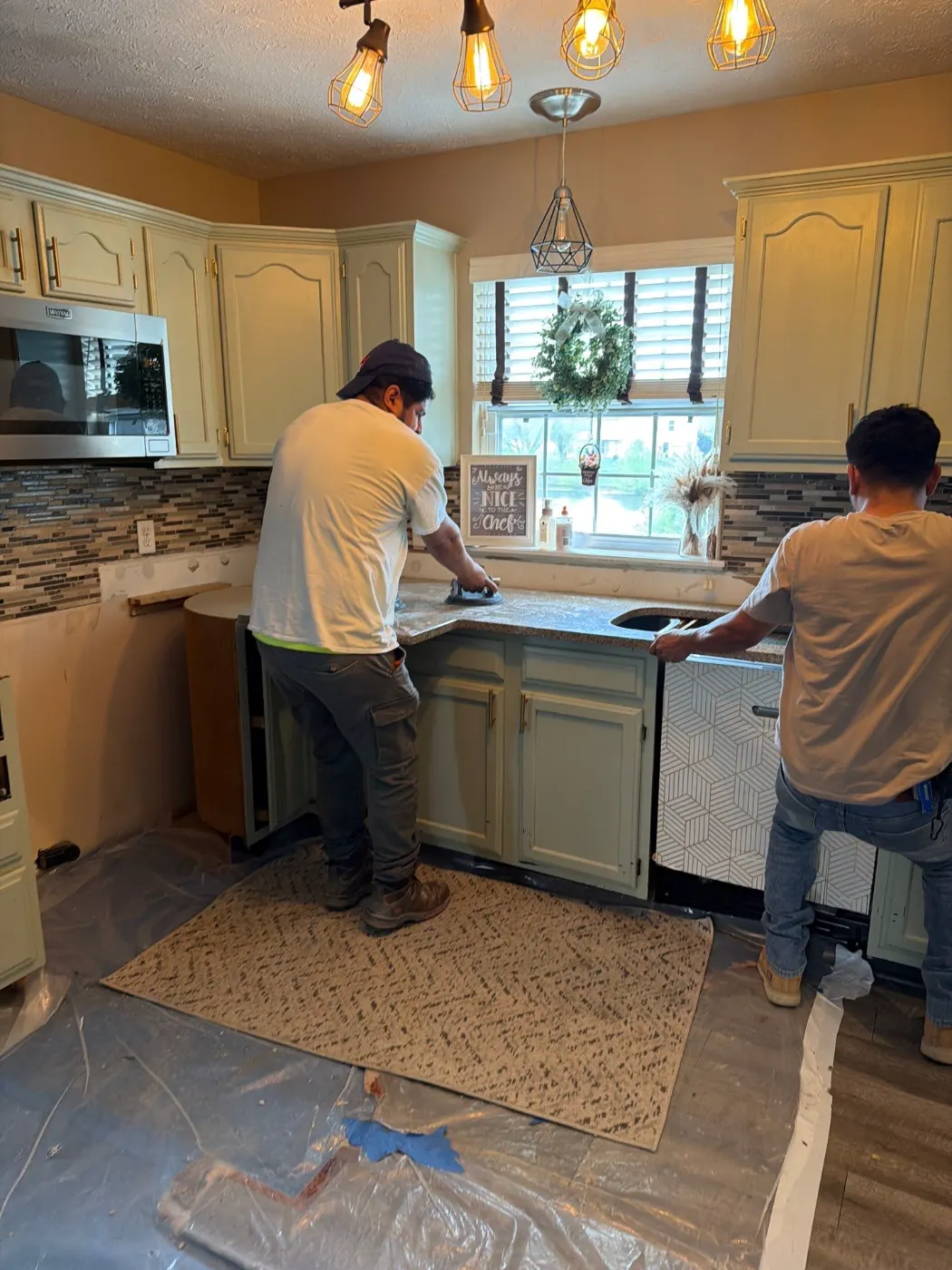
Basement Flooding in Lapel, IN
A wet basement in Lapel dried properly, with daily readings you can check and a written scope you approve first.
For Basement Flooding in Lapel, Lapel Water Restoration brings the equipment, the certifications, and the paperwork: 24/7 response, written scopes, and insurance claim support. Call (765) 508-0821 for dispatch.
- Service: Basement Flooding for Lapel homeowners
- Service area: Lapel, IN and surrounding areas
- Response time: Emergency calls from Lapel dispatched immediately, day or night
- Licensed and insured (License #RC21100059)
- Serving Lapel, IN since 2018
Basement Flooding Cleanup in Lapel
We'll pump out and dry a flooded basement anywhere in Lapel, day or night.
Basements Here
Plenty of Lapel homes went up between the 1950s and the 1980s, and some have full basements.
Where the Water Comes From
Homes near Stony Creek face added flood risk after heavy rain. The water table runs high and the clay soil drains slowly, so groundwater can seep into basements here.
Our crews work all over Lapel, from Montgomery Farms to the streets near Brookside Cemetery and Brookside Park. Nearby, we also pump out basements in Ingalls, Pendleton, Anderson and Noblesville.
Expert Basement Flooding for Lapel Homeowners
A sump pump can run all night and still lose if the discharge line froze or clogged and the pumped water has nowhere to go. It backs up in the line or drains beside the foundation and soaks toward your Lapel basement again. Lapel Water Restoration removes the water already inside and documents the line's condition for the plumber who repairs it.
If your basement has flooded before, Lapel Water Restoration reads the whole perimeter in Lapel and photographs any old staining or past repairs. That keeps this loss separate from earlier ones in your file. When the source points to grading, downspouts or a failed sump, the crew tells you what it saw, so you can plan the fix with the right contractor.
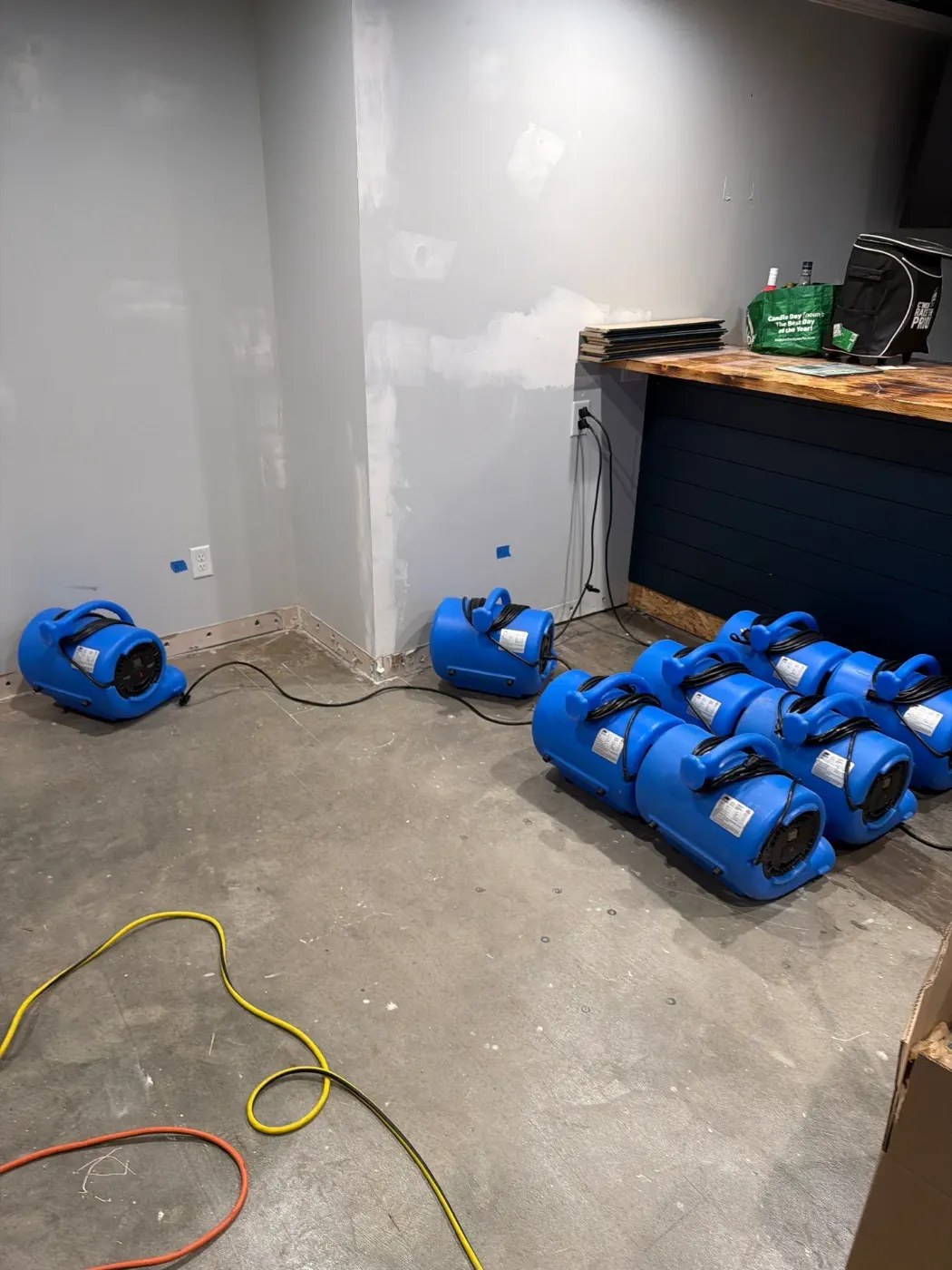
Dehumidifier capacity does most of the work in a basement, so Lapel Water Restoration leads with it. Cool basement air holds a lot of moisture close to the walls and the slab, and commercial dehumidifiers keep pulling it out long after a household unit would stall. Opening a window in humid weather usually adds moisture to the room, so the space gets closed up and dried with the equipment running.
When a storm knocks out power and the sump pump stops, the cause matters to a claim. Write down when the lights went out, and keep a screenshot of the utility's outage notice. Your adjuster decides how your policy treats a pump that lost power, and Lapel Water Restoration records the condition of the pump and pit in your Lapel basement.
Call Lapel Water Restoration before you start hauling carpet out of the basement yourself. A crew dispatches to Lapel, and what comes out gets decided by meter readings and photographed for your file before it moves. Two hour dispatch around the clock across Lapel and Madison County, and a drying plan that's written in numbers you can check.
Signs You Need Basement Flooding Cleanup
If you notice any of these in your Lapel home, schedule a free inspection before the issue worsens.
Horizontal stain line on the walls a few inches above the floor, left by receding water
The sump pump in your Lapel home hums but no water moves up the discharge pipe
Water showing up in the same corner of the Lapel basement every time the ground stays saturated
A rust line on metal shelving legs, or on the base of the water heater and furnace
Storage tubs in your Lapel basement sitting in standing water, with papers and photos stuck together
Batt insulation sagging out of the stud bays, darker and heavier along the bottom edge
Cardboard boxes gone soft at the bottom corners, or collapsing when you pick them up
Your water heater is leaking at the base, with water spreading across the Lapel basement floor
The sump discharge line frozen or plugged, with water puddling at the foundation where it exits
Carpet that squishes underfoot along the perimeter while the middle of the room still feels dry
How Lapel Water Restoration Handles Basement Flooding
We follow these steps in order on every Lapel job.
First Call and Triage
You describe where the water is and how deep it looks. The crew asks whether the power is on at your Lapel home, then tells you what's safe to do while you wait, like shutting off a water supply.
Silt and Debris Cleanup
Water from outside leaves silt on the slab and along the base of the walls. The crew shovels and vacuums the sediment, then cleans the surfaces that stay, because mud holds moisture against the floor and sours quickly in a closed space.
Scope Review
The crew walks the moisture map of your Lapel basement with you and explains what can dry in place and what has to come out. You approve the scope in writing before any drywall is cut, and any change comes with new photos and readings.
Controlled Removal
Drywall that wicked water gets cut at a measured height, wet batt insulation comes out of the bays and gets bagged, and carpet pad goes out. Material the meters show dry stays in place, and every removal gets photographed before it happens.
Upstairs Moisture Check
The crew closes off the stairway and reads the first floor walls above the basement of your Lapel home, along with the underside of the floor. Those readings show whether humidity moved up and keep the drying confined to the basement.
Basement Flooding in Lapel
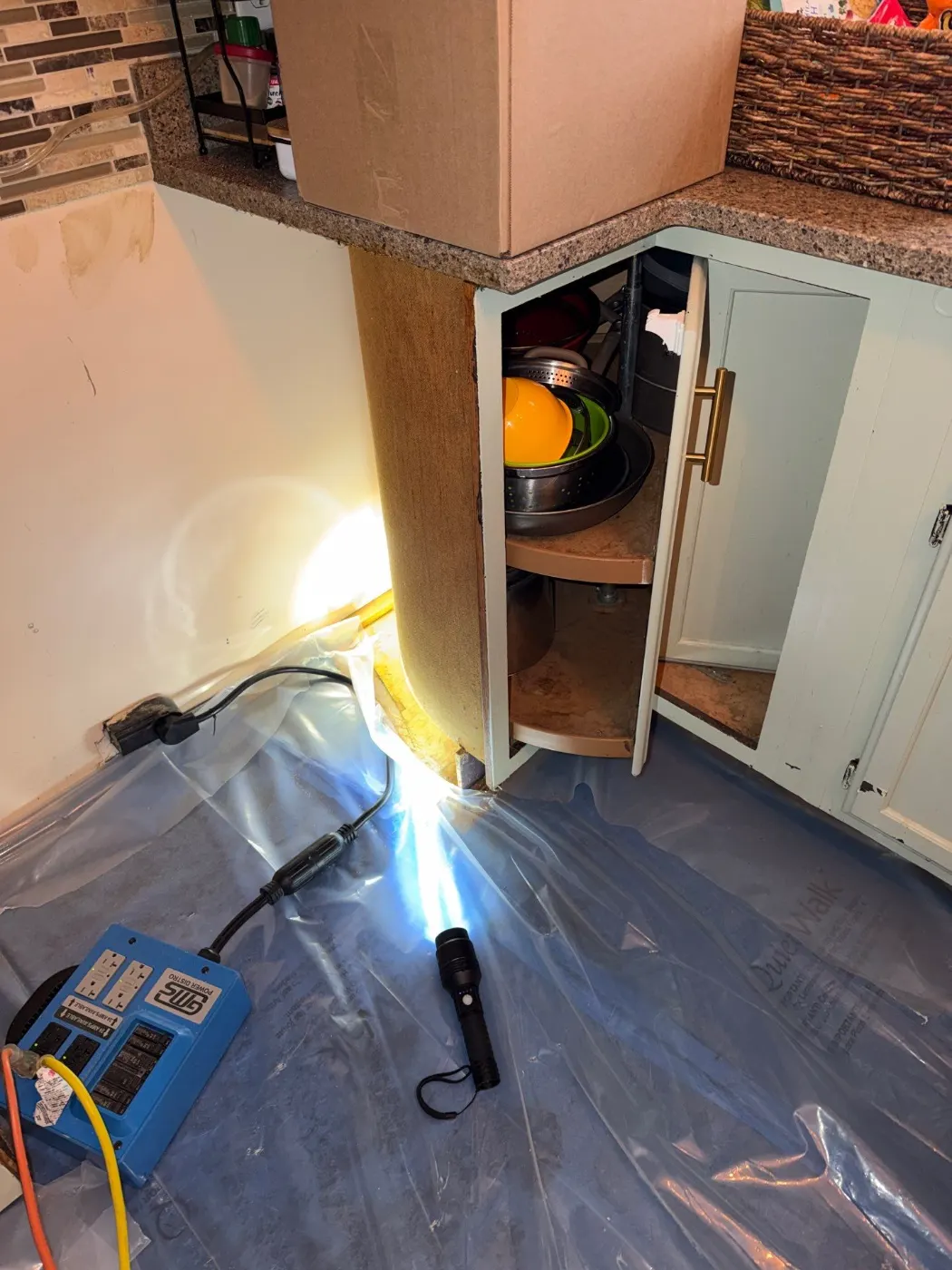
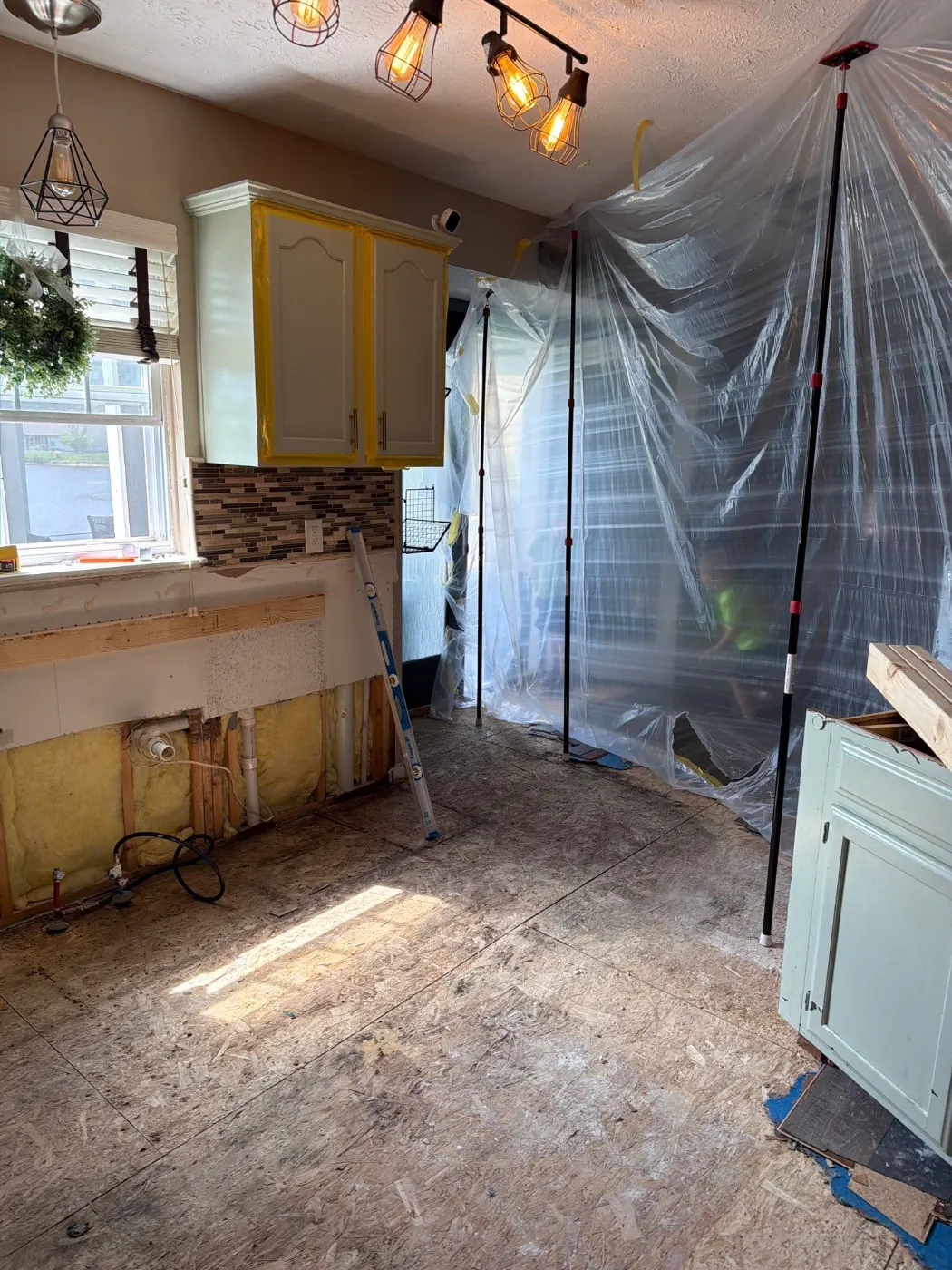
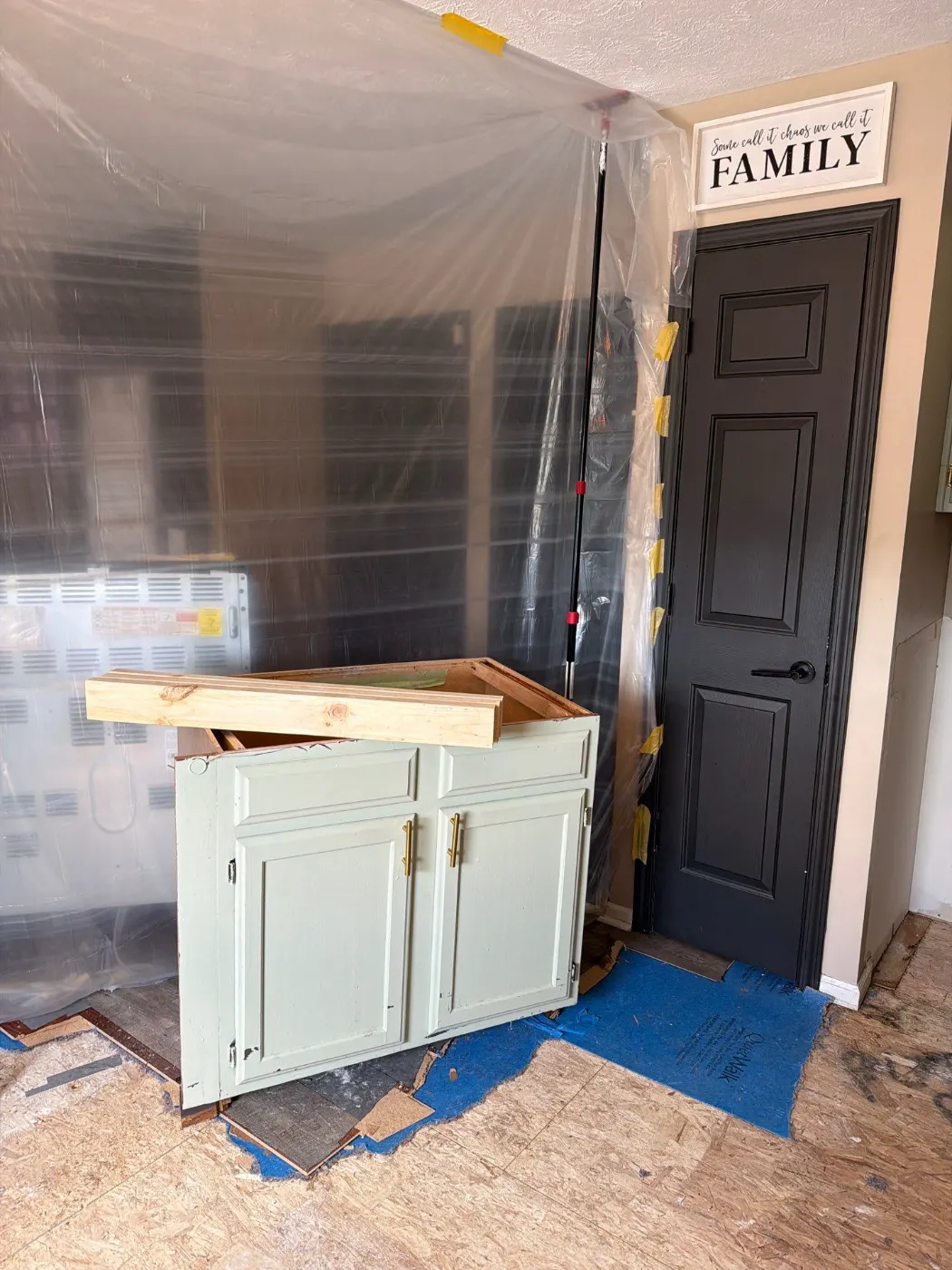
Photographs from real basement flooding jobs completed by our crew in Lapel and surrounding areas.
Basement Flooding FAQ
Questions Lapel homeowners ask us about basement flooding cleanup.
Guidance and Standards for Basement Flooding
- EPA advises drying water damaged areas and items within 24 to 48 hours to prevent mold growth. EPA: A Brief Guide to Mold, Moisture and Your Home
- Ready.gov notes that homeowners insurance policies don’t cover flooding, so check what your own policy says. Ready.gov: Floods
Lapel Neighborhoods We Serve
We take basement flooding calls in every part of Lapel. Pick your neighborhood for local details.
Other Restoration Services in Lapel
Lapel Water Restoration handles the full scope of restoration work. Explore our other services below.
Water Damage Restoration in Lapel
24/7 emergency response. IICRC certified water restoration from extraction to full dry out.
Learn more →Sewage Cleanup in Lapel
Category 3 biohazard cleanup. Full containment, decontamination, structural restoration.
Learn more →Storm Damage in Lapel
Storm related water emergencies. Tarping, extraction, drying, and full restoration.
Learn more →Request Basement Flooding Cleanup
Reach Us Directly
Our team is available 24/7 for emergencies and ready to schedule inspections during business hours.
Need Immediate Help?
For active water or mold emergencies, call us directly. We are available 24/7.