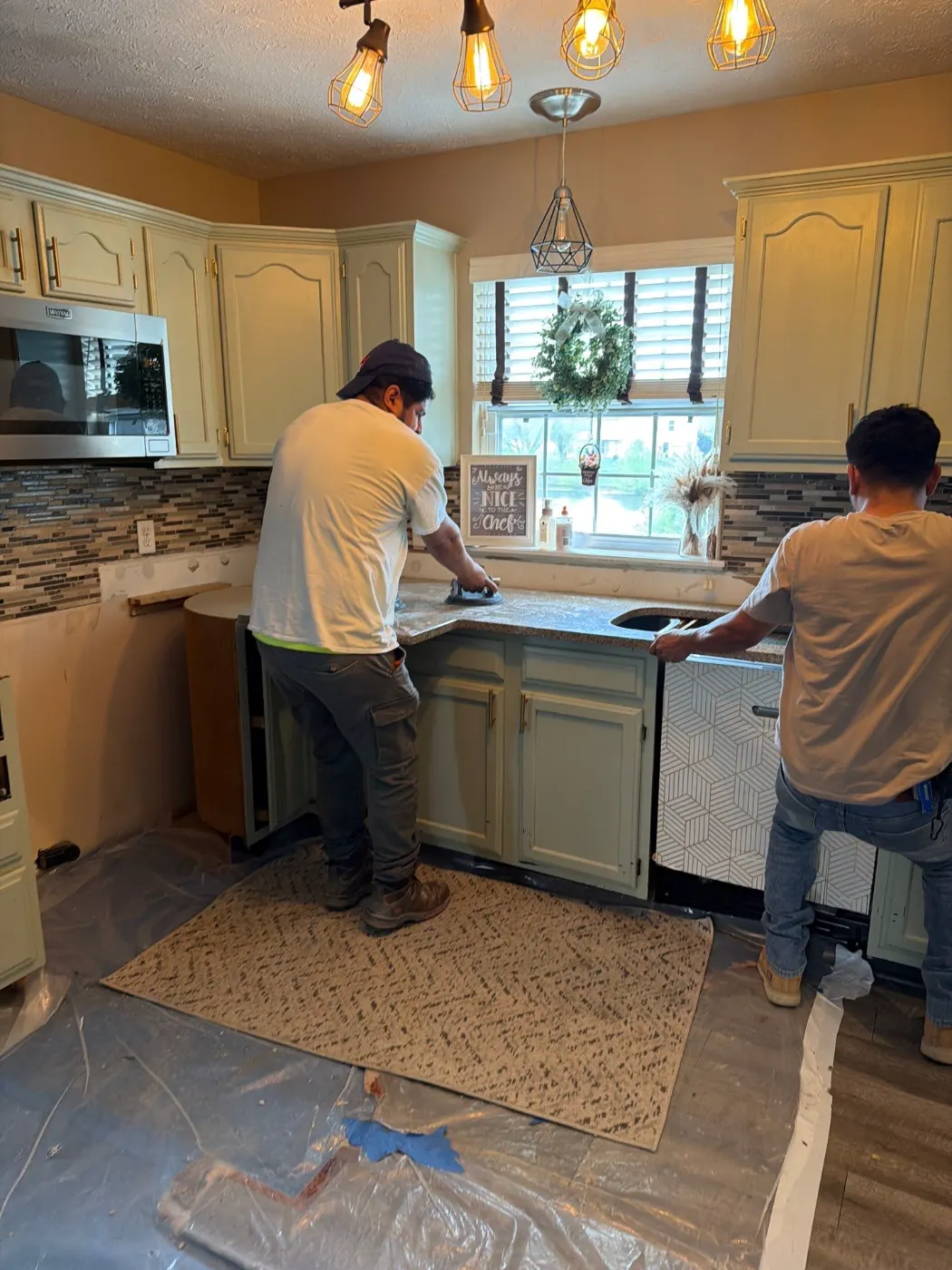
Commercial Water Restoration in Lapel, IN
Commercial water restoration serving Lapel and Madison County around the clock, done to the IICRC S500.
For Commercial Water Restoration in Lapel, Lapel Water Restoration brings the equipment, the certifications, and the paperwork: 24/7 response, written scopes, and insurance claim support. Call (765) 508-0821 for dispatch.
- Service: Commercial Water Restoration for Lapel homeowners
- Service area: Lapel, IN and surrounding areas
- Response time: Emergency water calls in Lapel get crews rolling, not callbacks
- Licensed and insured (License #RC21100059)
- Serving Lapel, IN since 2018
Commercial Water Damage Restoration in Lapel
For offices and other commercial buildings in Lapel, we'll handle water extraction and drying at any hour.
Site Conditions
Properties near Stony Creek carry added flood risk in heavy rain. A high water table and slow draining clay soil can keep water against foundations and lower levels after a storm. Your building's own drains and roof get checked on the first walkthrough with whoever manages the property.
We cover commercial properties across Lapel, including the area around the Indiana State Road 13 corridor and Indiana State Road 32. We also handle commercial water losses in Fishersburg, Frankton, Ingalls and Pendleton.
Commercial Water Restoration for Lapel Businesses
Residents start asking about the brown stain spreading across the third floor corridor ceiling, and the leasing office is still working out where it came from. Common areas in an apartment building share risers and mechanical closets, so a stain can trace back to several places. Lapel Water Restoration traces the water for Lapel property managers and records every area it reached.
Commercial water damage work in Lapel follows the IICRC S500 water damage standard, and the IICRC S520 applies if mold turns up. Lapel Water Restoration logs readings by floor, location and material every day, so your management office can see the drying progress and ownership can see the basis for every day of equipment. Lapel Water Restoration has a water restoration manager who is IICRC certified.
Repairs start from a list of what came out. The crew records each removed material by room with measured dimensions and a photograph, so the contractor you choose can price the ceiling and the flooring from the file. Lapel Water Restoration sends the list along with the final readings for your Lapel property.
Choose one person to speak for the property with the carrier and give that person the file. Conflicting accounts from different staff members slow a claim down. Lapel Water Restoration sends every update for your Lapel building to that one contact, with the readings and photographs attached, so the carrier hears a single version of events.
Tenants are going to ask you for a date, so get the readings that let you answer them. Lapel Water Restoration dispatches to commercial water losses in Lapel and reports daily moisture numbers to your management office. The documentation starts at the first walkthrough and continues every day of the job.
Signs You Need Commercial Water Restoration
If you notice any of these in your Lapel building, schedule a free inspection before the issue worsens.
White chalky deposits appearing on a block wall or along a slab control joint
Sprinkler head knocked loose by a ladder or a forklift and discharging into the aisle
Carpet tile edges curling or lifting where the adhesive underneath has released
Standing water in the lift pit, or a pit alarm showing on the monitoring panel
Ceiling tiles sagging or stained in a grid section that was dry at close of business yesterday
Recessed lights flickering or a breaker tripping in a room with a stained ceiling
Patches of a concrete slab staying dark for hours after everything around them dried
A pipe split in an unheated vestibule or loading dock after a cold snap
Water wicking up the bottom of a metal door frame or steel stud track
Paint bubbling or peeling on a corridor wall just above the cove base
How Lapel Water Restoration Handles Commercial Water Restoration
We follow these steps in order on every Lapel job.
Dispatch and Site Access
A crew dispatches to the property once the call comes in. The team sends the certificate of insurance and vendor paperwork ahead, so badging, loading dock use and freight lift access are cleared before the truck arrives.
Moisture Mapping
Every affected area gets read with thermal imaging and both noninvasive and penetrating meters, floor by floor where water moved vertically. The crew photographs the source, and the readings set how much drying equipment each area needs.
Overhead Water and Ceilings
Sagging ceiling panels are punctured over protection so trapped water drains into a controlled spot. Wet tile and insulation come down, and the grid gets checked before the plenum above it gets dried.
Claim Documentation Package
Photographs by area, daily moisture logs, equipment placement and hour records, category justification, and scope itemized by suite all go into one file. You and your broker submit it and make coverage decisions with your carrier.
Repair Scope Handoff
Lapel Water Restoration lists every removed material by room with measurements and photographs. Your repair contractor prices from that list and the final readings, and the slab results tell the flooring installer when the floor is ready.
Commercial Water Restoration in Lapel
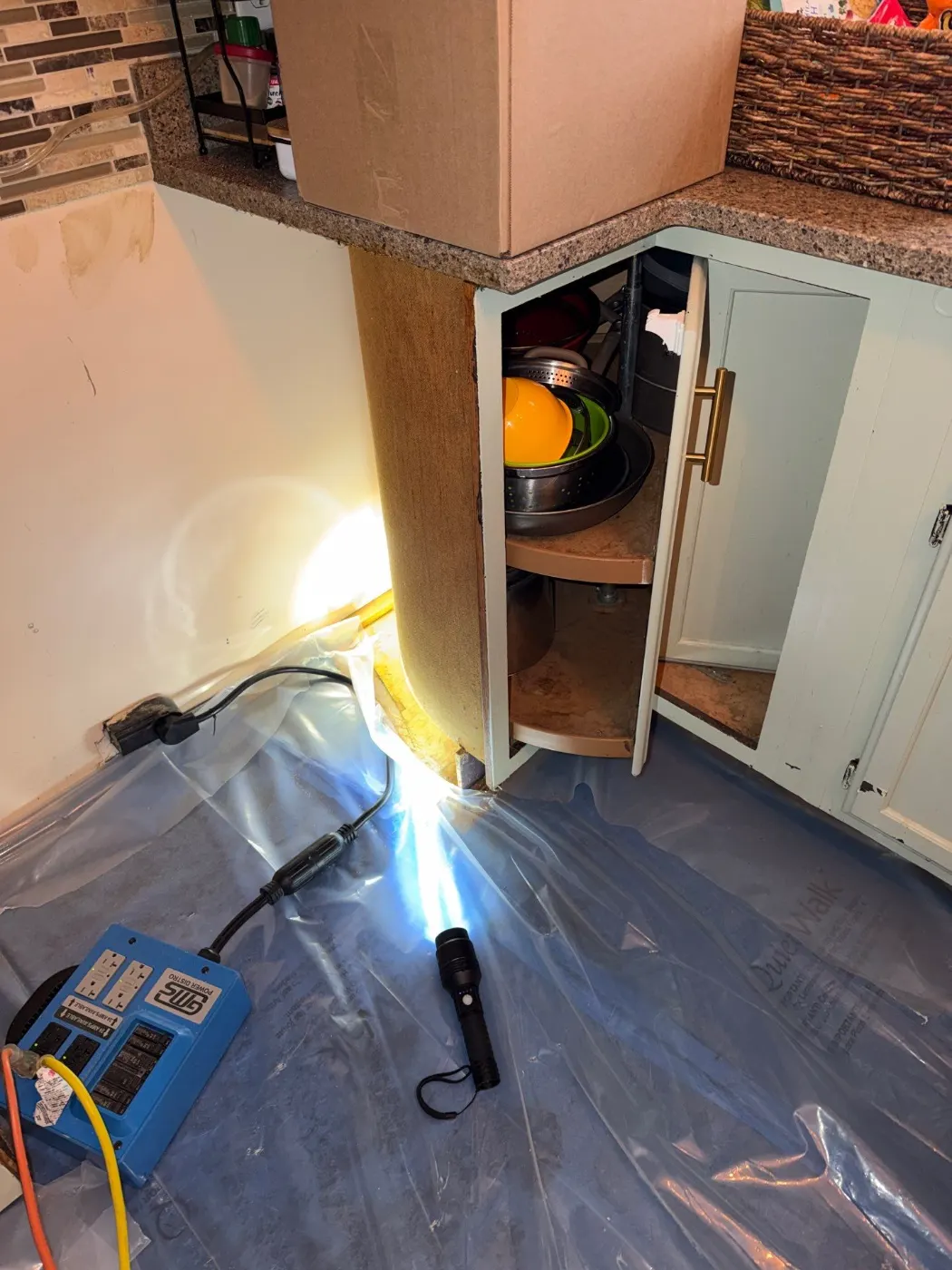
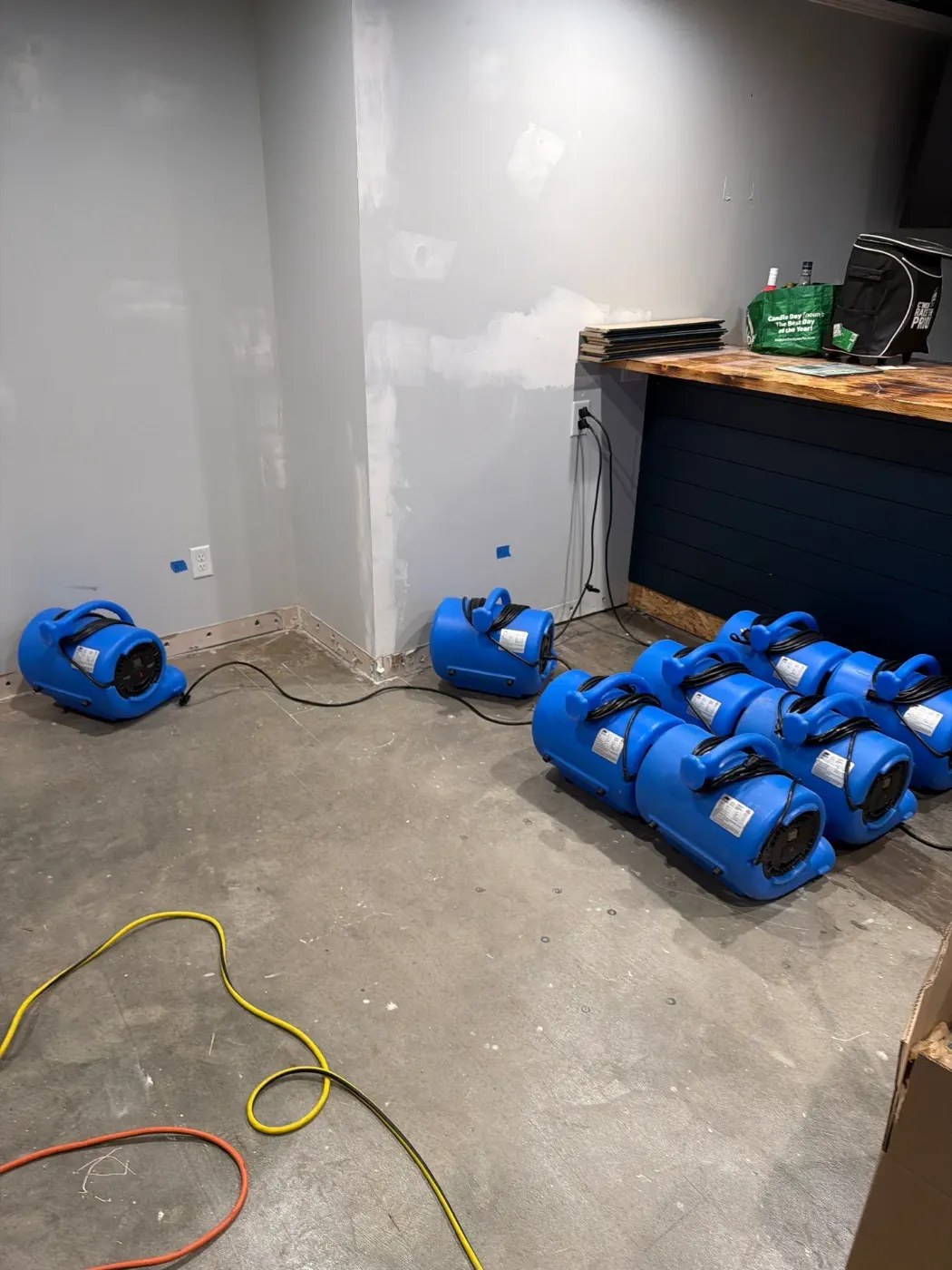
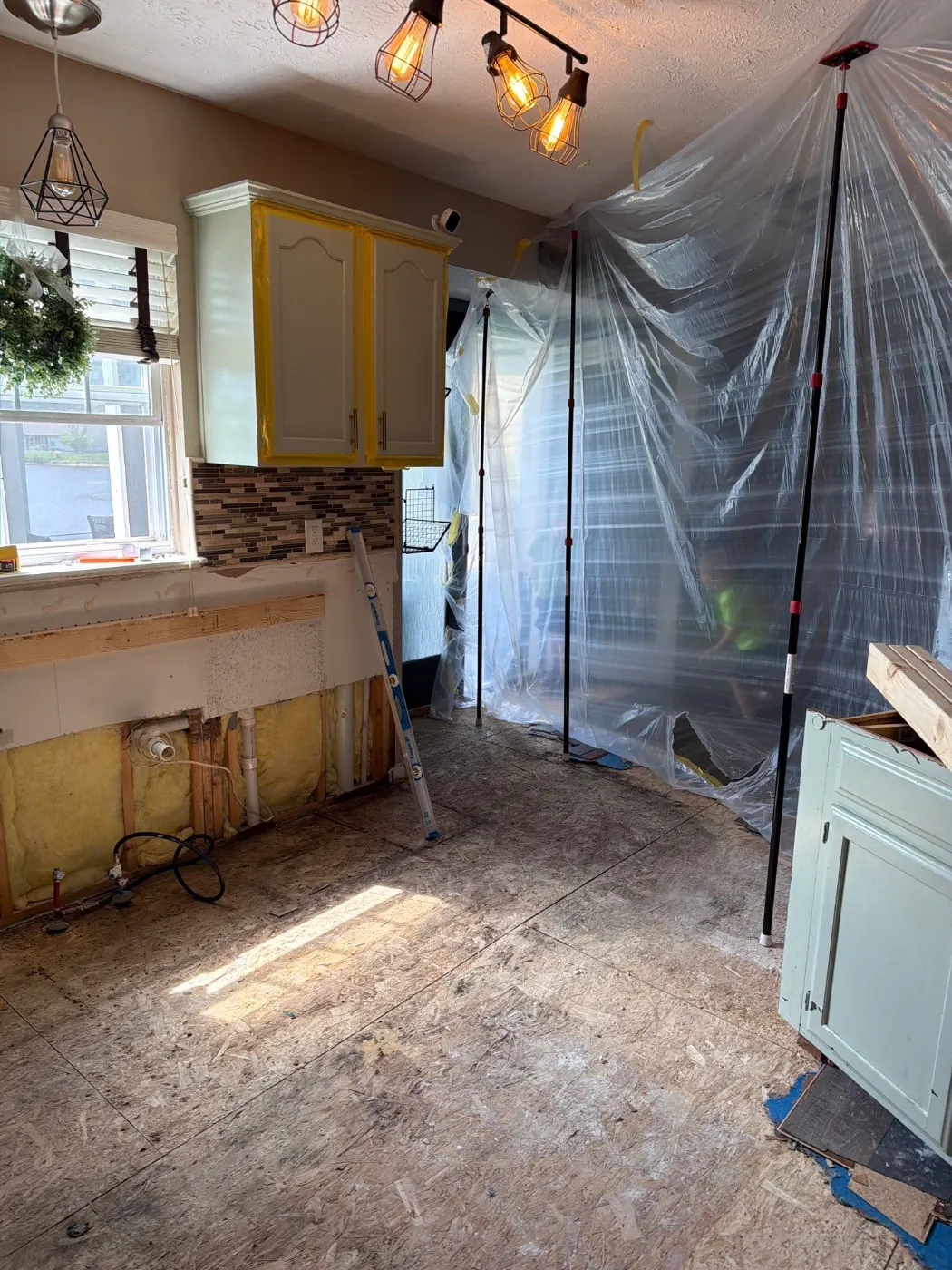
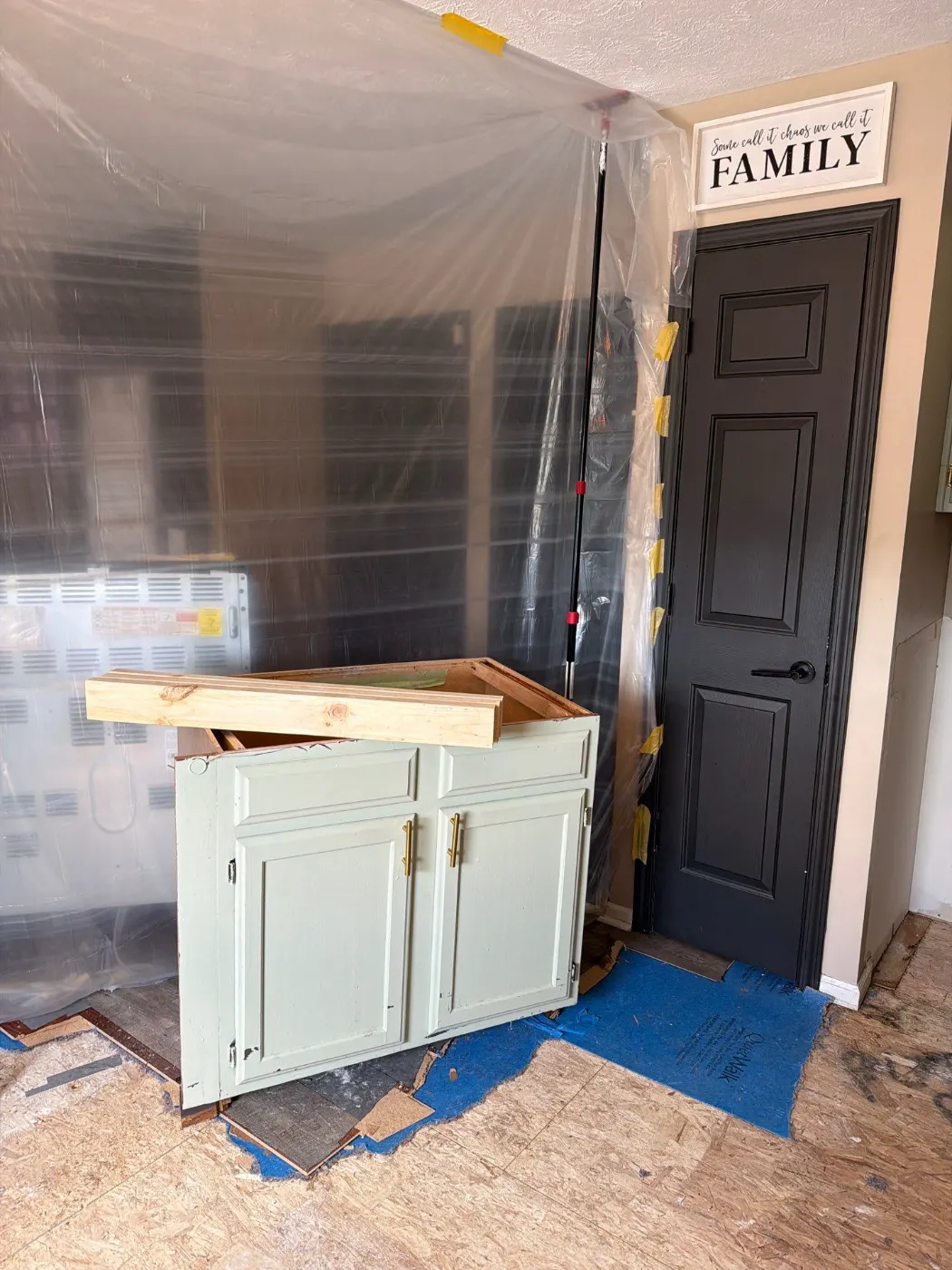
Photographs from real commercial water restoration jobs completed by our crew in Lapel and surrounding areas.
Commercial Water Restoration FAQ
Questions Lapel property managers ask us about commercial water restoration.
Guidance and Standards for Commercial Water Restoration
- The ANSI/IICRC S500 is the published standard for professional water damage restoration. The current edition is the Fifth Edition, 2021. IICRC S500 Standard
- EPA advises drying water damaged areas and items within 24 to 48 hours to prevent mold growth. EPA: A Brief Guide to Mold, Moisture and Your Home
Lapel Neighborhoods We Serve
We take commercial water restoration calls in every part of Lapel. Pick your neighborhood for local details.
Other Restoration Services in Lapel
Lapel Water Restoration handles the full scope of restoration work. Explore our other services below.
Water Damage Restoration in Lapel
24/7 emergency response. IICRC certified water restoration from extraction to full dry out.
Learn more →Basement Flooding in Lapel
Basement water emergencies handled fast. Extraction, drying, mold prevention.
Learn more →Sewage Cleanup in Lapel
Category 3 biohazard cleanup. Full containment, decontamination, structural restoration.
Learn more →Request Commercial Water Restoration
Reach Us Directly
Our team is available 24/7 for emergencies and ready to schedule inspections during business hours.
Need Immediate Help?
For active water or mold emergencies, call us directly. We are available 24/7.